Looking back: 2026 Biodiversity Discovery Days
This May, West Coast NEST welcomed community members and visitors once again for our second annual Biodiversity Discovery Days. The four-day event celebrated the International Day for Biodiversity through exploration, learning, creativity, and connection.
Building on the success of last year’s event, we expanded the programming to include a full schedule of activities, workshops, guided walks, presentations, and citizen science opportunities. Thanks to the enthusiasm of participants and the support of our many partners, nearly 300 people joined us throughout the week to celebrate the biodiversity of the Clayoquot Sound UNESCO Biosphere Region!
Adding to the excitement were new prizes, including youth whale watching experiences with Jamie’s Whaling Station, BioBlitz and trivia giveaways, and a grand prize trip to Hot Springs Cove with Ahous Adventures.
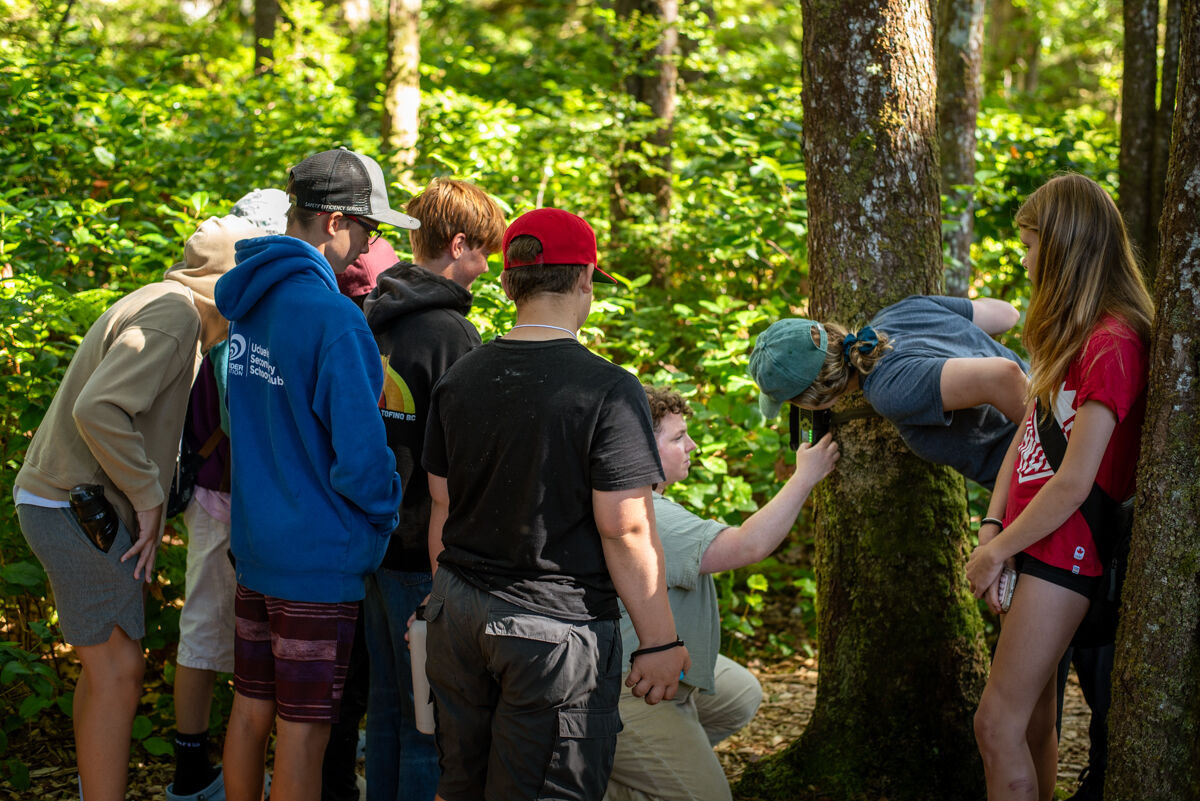
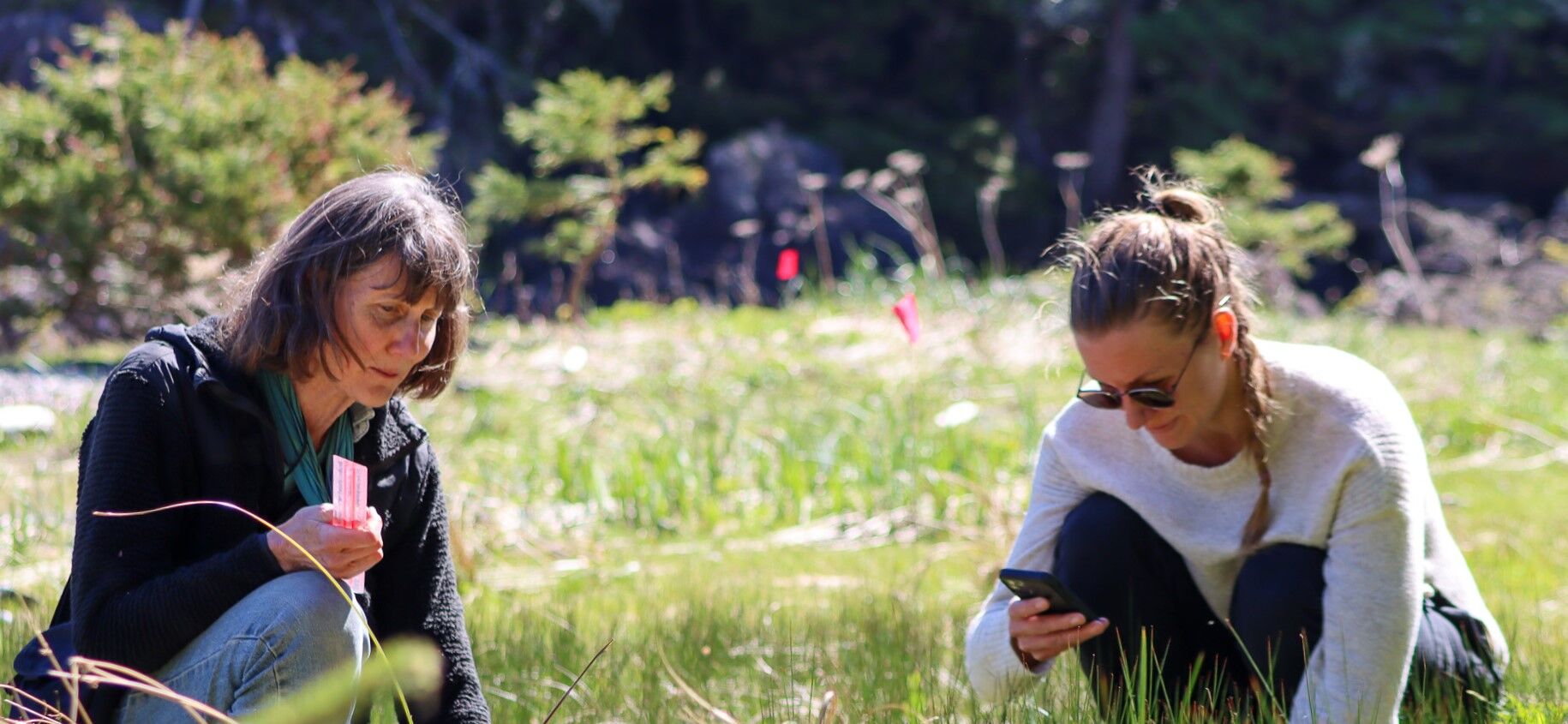
At the heart of Biodiversity Discovery Days was our community BioBlitz, which invited participants to document local species using the iNaturalist platform. Over four days, residents and visitors explored local beaches, forests, neighbourhoods, wetlands, and even their own backyards, contributing valuable biodiversity observations at their own pace and/or during our naturalist-led walks.
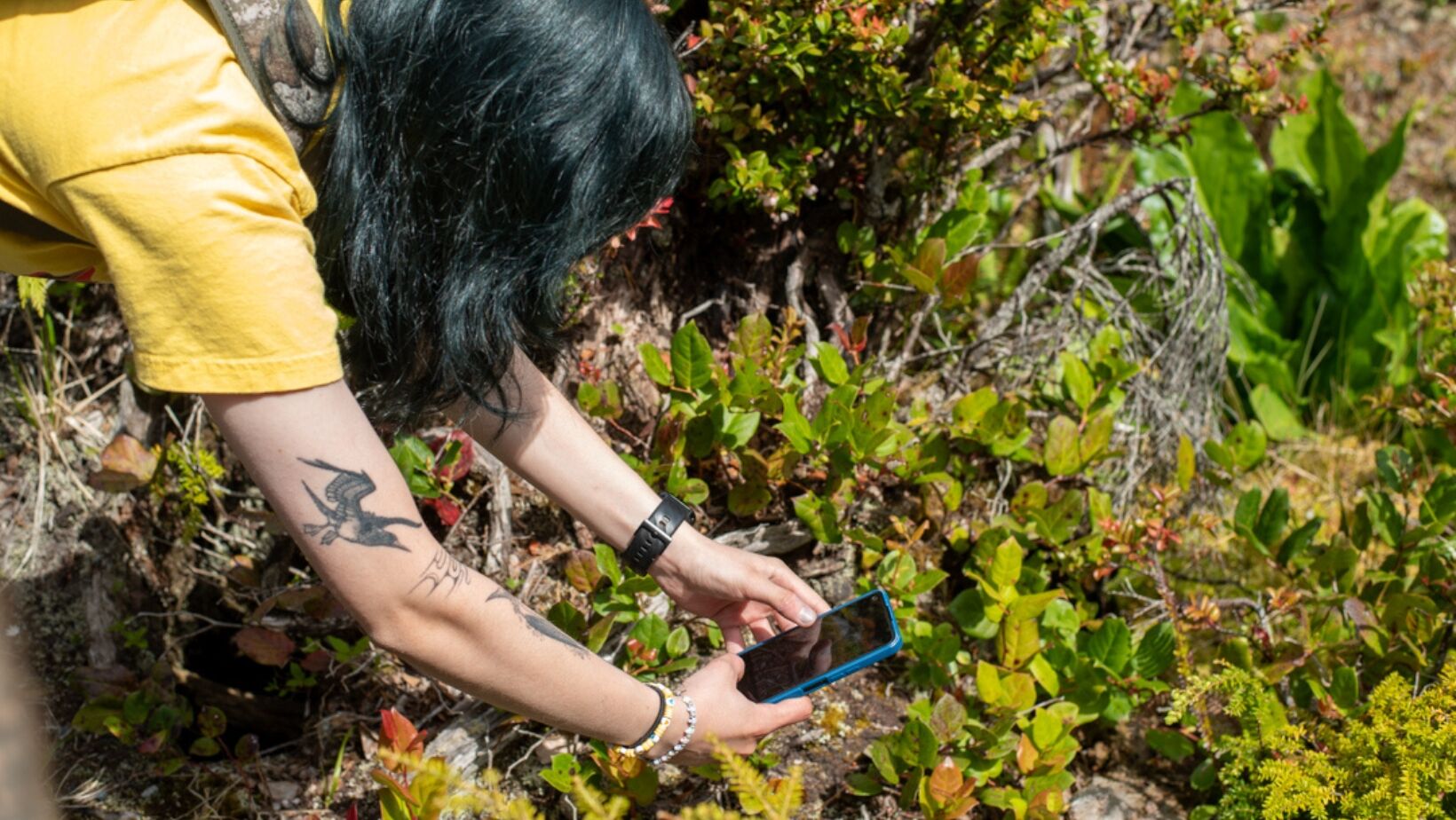 Photo credit: Nina Moodley
Together, participants recorded an impressive 1,270 observations, representing 529 species, submitted by 61 observers, and identified by 214 online participants surpassing last year’s totals across the board. That’s 259 more observations, 116 more species, 11 more observers and 82 more online identifiers!
The goal of the Bioblitz is to inspire stewardship, a connection to nature, encourage exploration and curiosity of all ages. It helps show the community first-hand the diverse life that share these ecosystems and the importance of protecting them while also building a future generation of educated and passionate future stewards. These observations also contribute to a growing record of biodiversity in our region, helping build a clearer picture of local ecosystems over time. Community science initiatives like the BioBlitz provide valuable information that can help support conservation efforts, track ecological changes, and strengthen our understanding of the species that call this coast home.
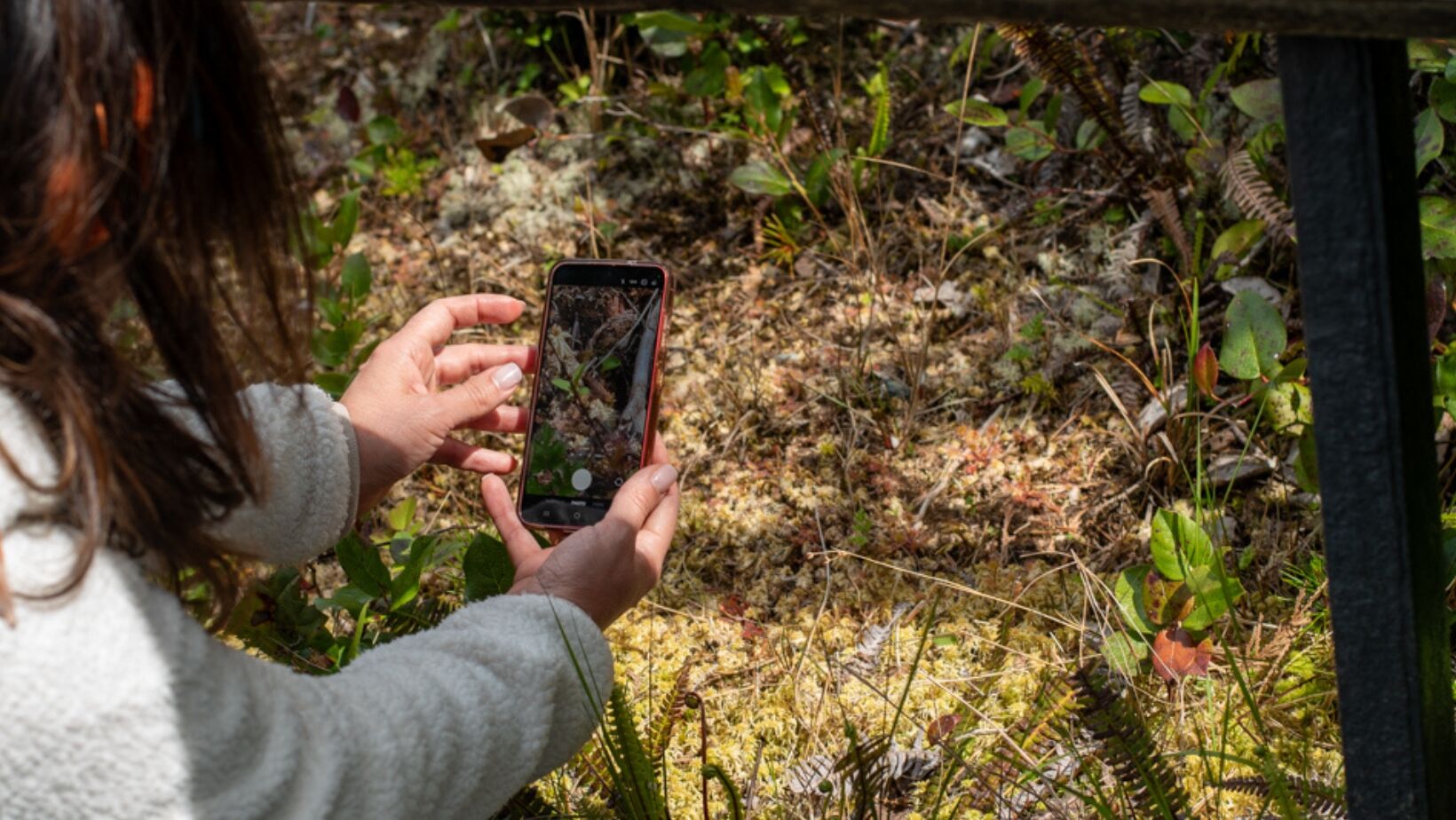 Photo credit: Nina Moodley
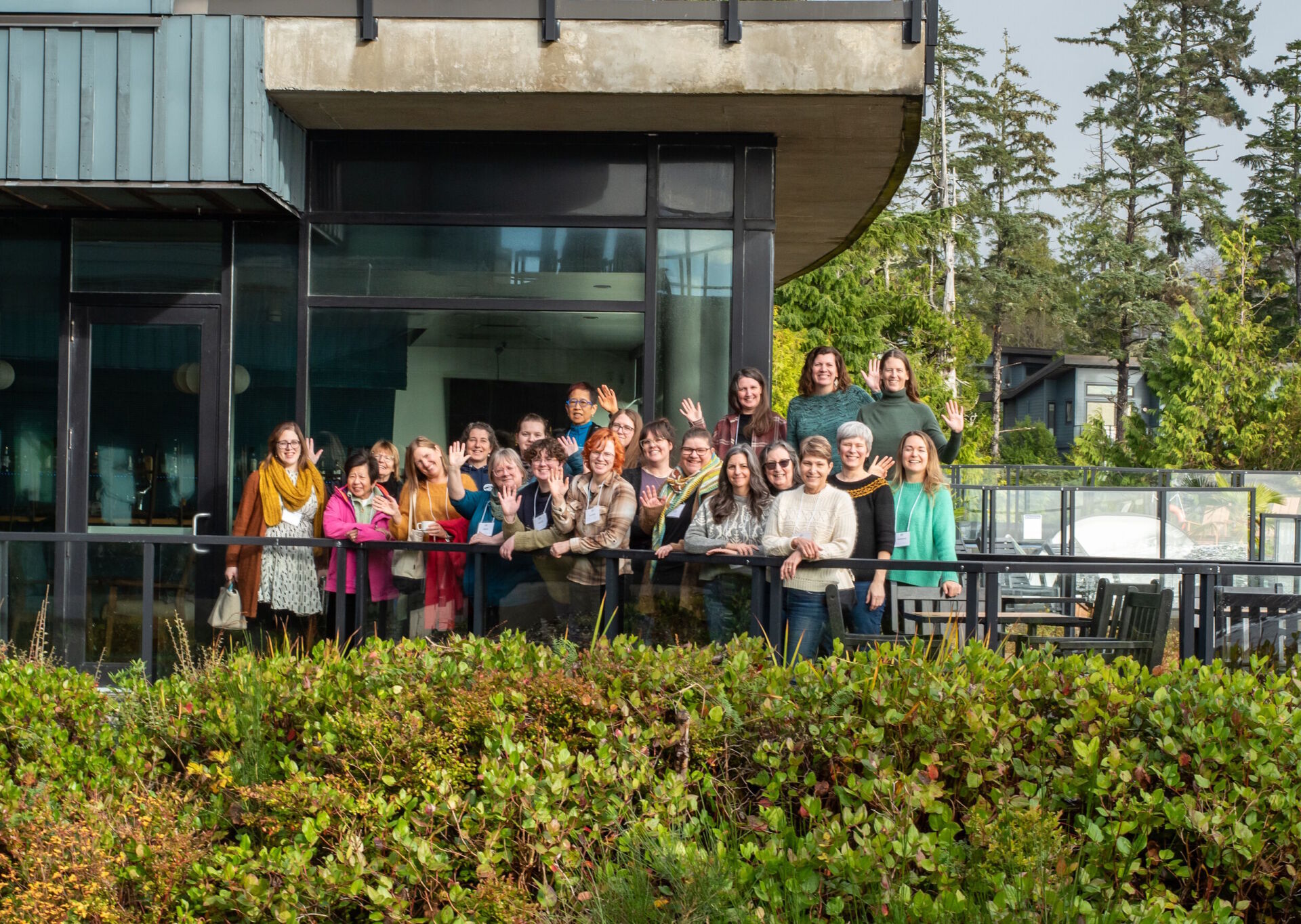
Biodiversity Discovery Days began at the Redd Fish Supply Co. Café, where community members gathered to connect over snacks and refreshments before the first presentation of the series.
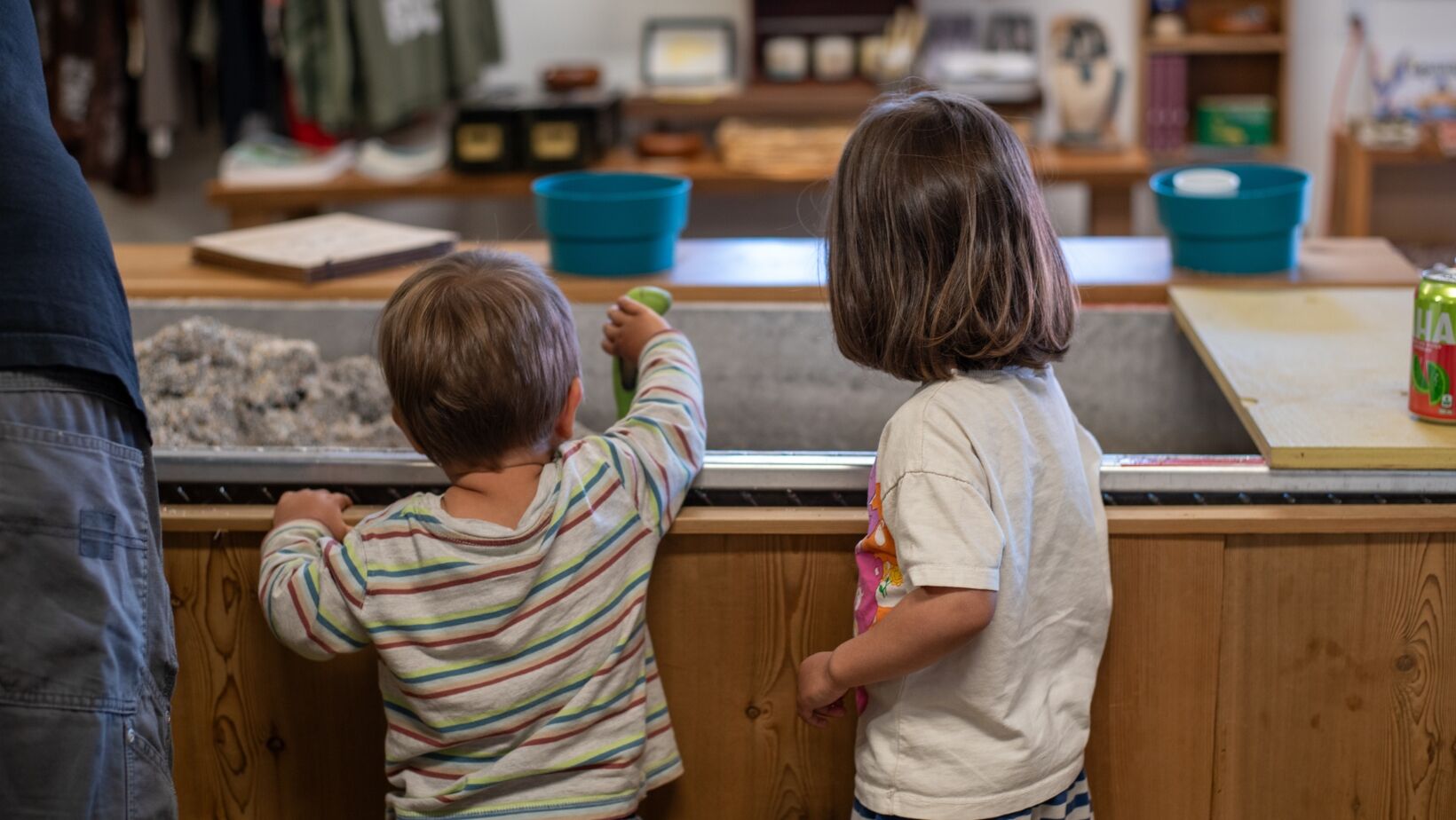 Photo credit: Nina Moodley
Mark from Whales of Clayoquot and Barkley Sounds opened the week with a great presentation on drone monitoring of grey whales along Vancouver Island’s west coast. Participants learned how researchers use non-invasive drone technology to assess whale health, monitor individual animals over many years, and gain new insights into behaviours that are difficult to observe from boats or shore.
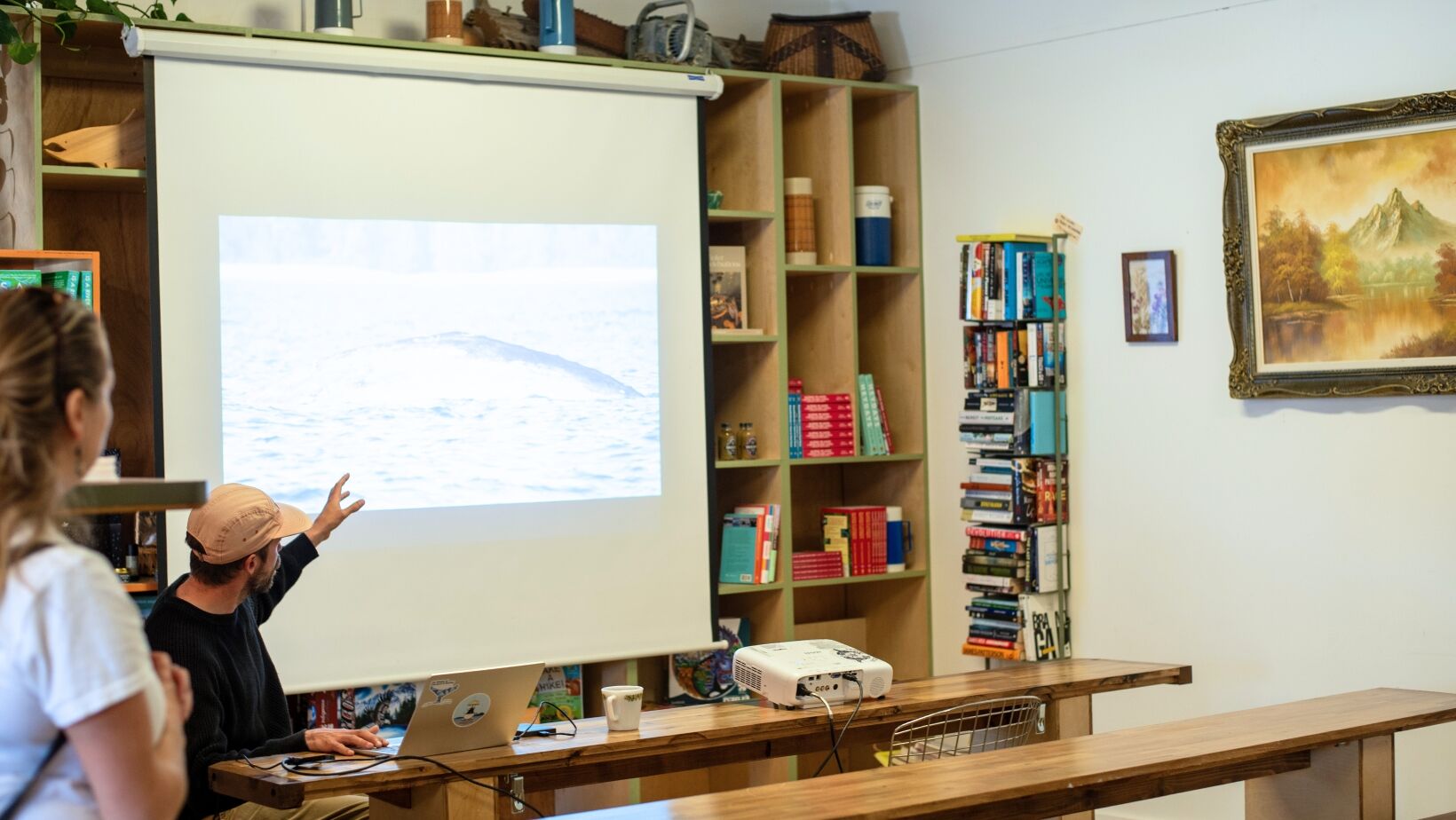 Photo credit: Nina Moodley
The long-term tracking they’ve done of individuals is incredible, revealing exactly which whales have had successful feeding seasons, which have given birth to calves, and which aren’t typically seen in the area. Mark also shared concerning trends in the data, including a decline in weight among many individuals. The presentation highlighted both the resilience of these coastal giants and the growing importance of long-term monitoring in changing ocean conditions.
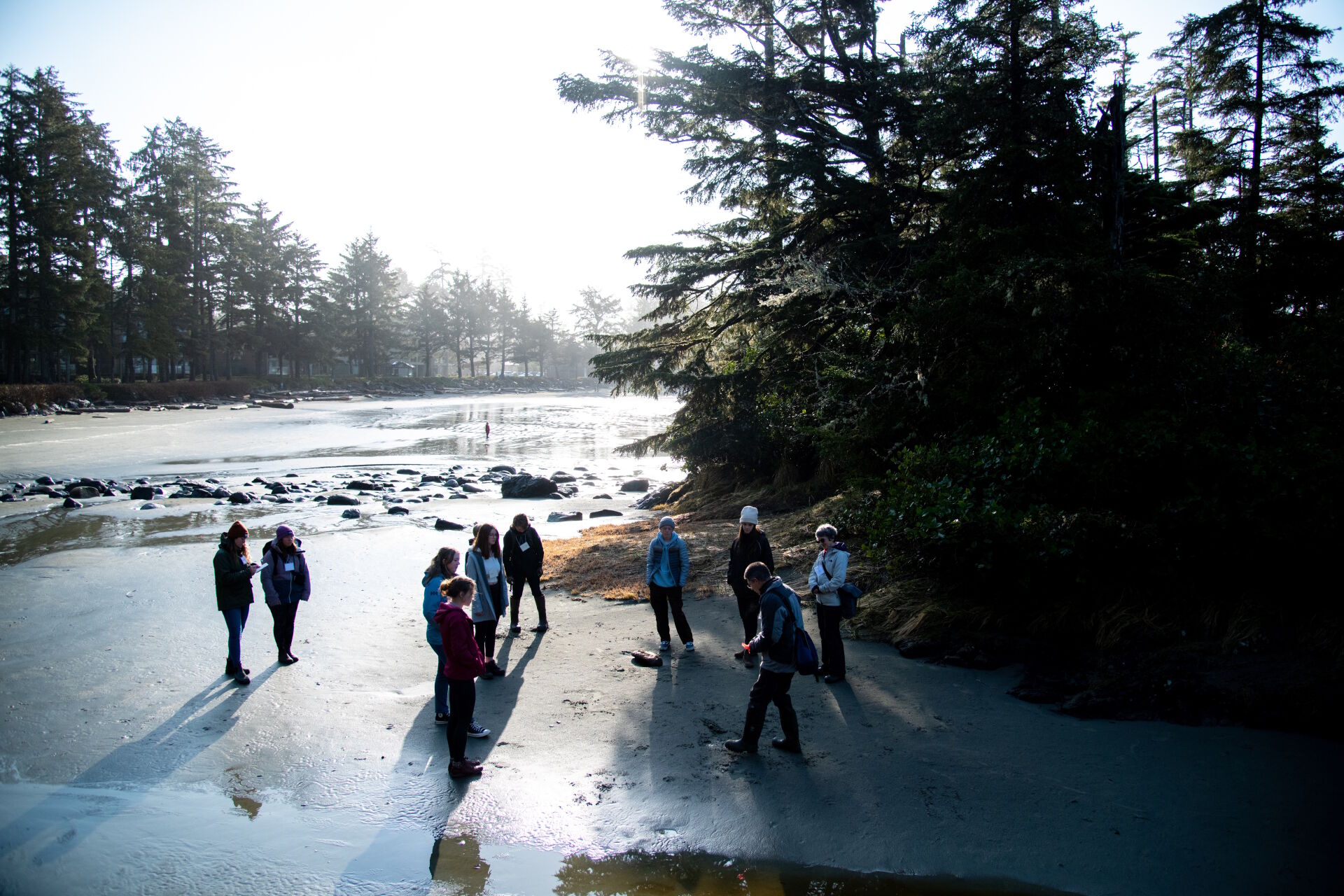
The following day, participants joined Wild Pacific Trail naturalist Tanya for an exploration of Big Beach in Ucluelet. The group was encouraged to take a deeper look at all the biodiversity they typically walk right past on the shoreline and ended up with a fascinating collection of shells, seaweeds, corals, and other signs of marine life. From molted crab shells to the purple spines of sea urchins scattered throughout the sand, the beach turned into a mosaic of hidden wonders we couldn't unsee.
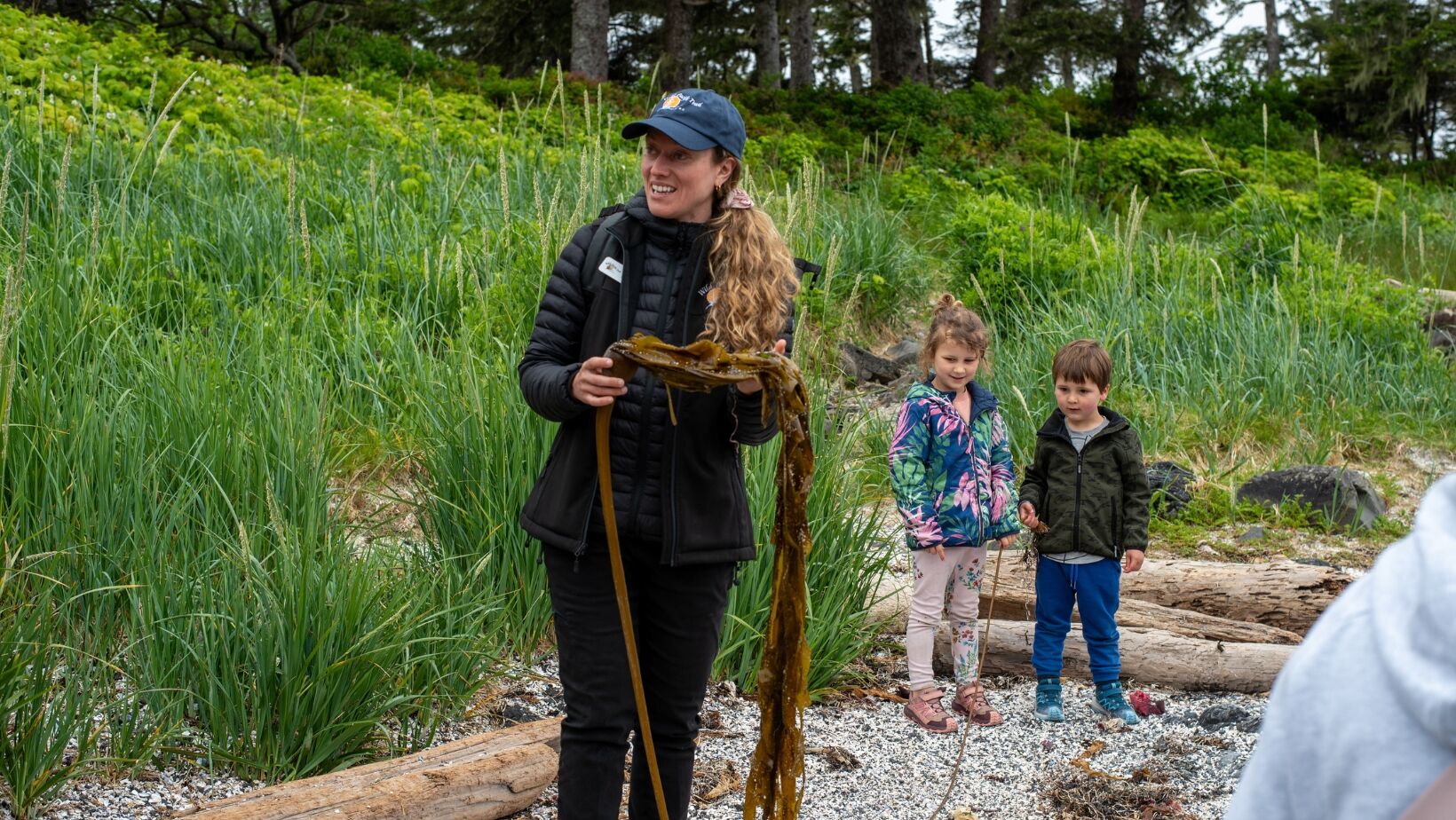 Photo credit: Nina Moodley
By slowing down and examining what had washed ashore, participants were able to observe the diverse species that come together in the interconnected shoreline ecosystem. Before leaving, the group carefully returned and scattered everything they had examined, leaving the beach as they found it. Shells, rocks, seaweed, and other natural materials provide important habitat and food for many coastal species, so even small disturbances can have lasting impacts. This reflects a shared Nuu-chah-nulth value of leaving healthy habitats undisturbed for future generations. The Tla-o-qui-aht First Nations express this through the IISAAK Pledge, where Qʷaasiinḥapin means "let us leave healthy habitats undisturbed." While this activity took place on the traditional territory of the Ucluelet First Nation, the same ethic of caring for the land and respecting natural places is shared across Nuu-chah-nulth Nations.
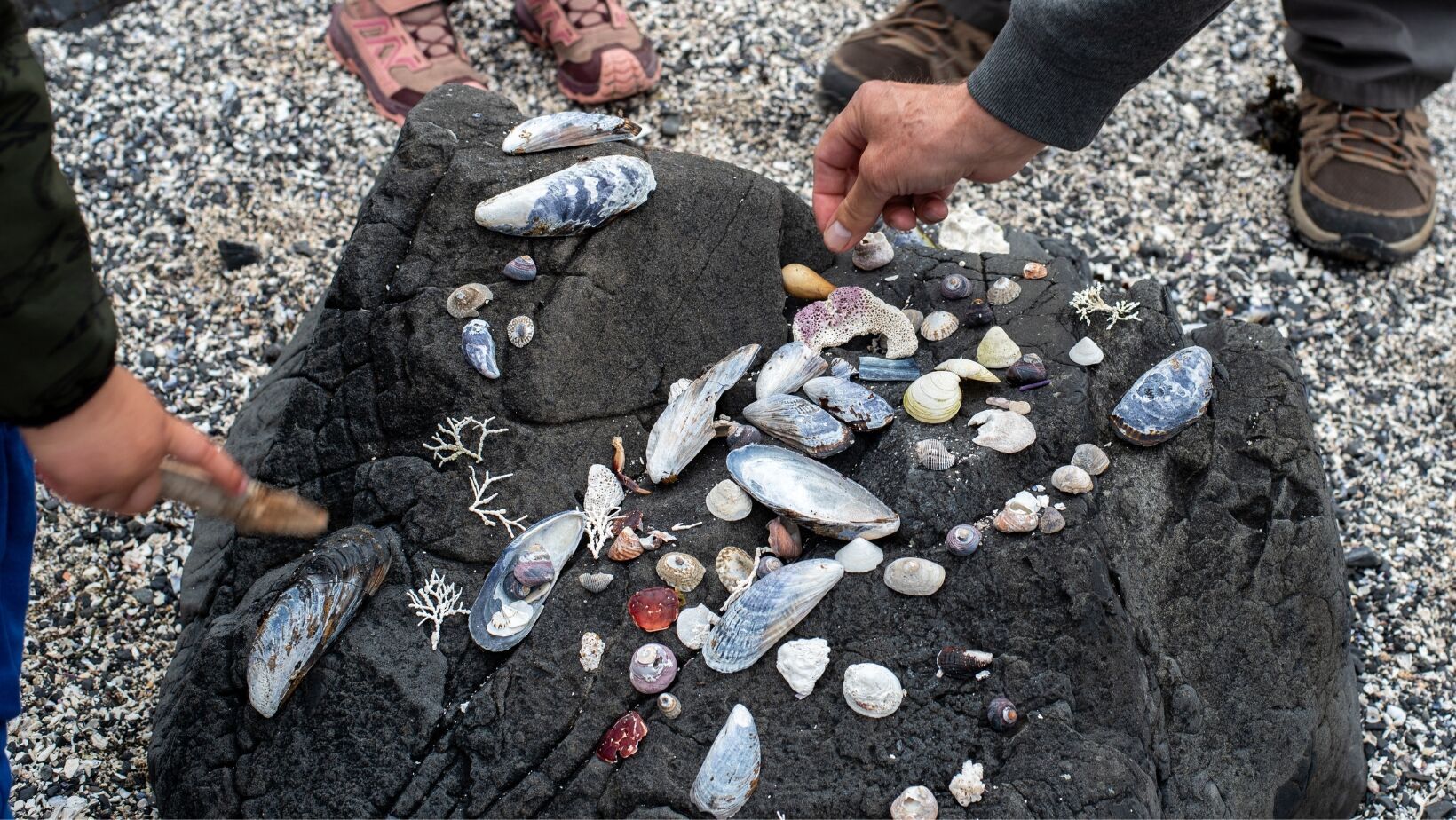 Photo credit: Nina Moodley
Meanwhile, our team sent off local youth on a whale and wildlife tour with Jamie’s Whaling Station in Ucluelet, including two lucky participants who won their spots during the Kick-Off Party prize draw. Youth learned how to read the water and understand whale behaviour while experiencing ocean conservation in real time. As they travelled along the Barkley Sound coastline, they visited active feeding areas and encountered wildlife along the way.
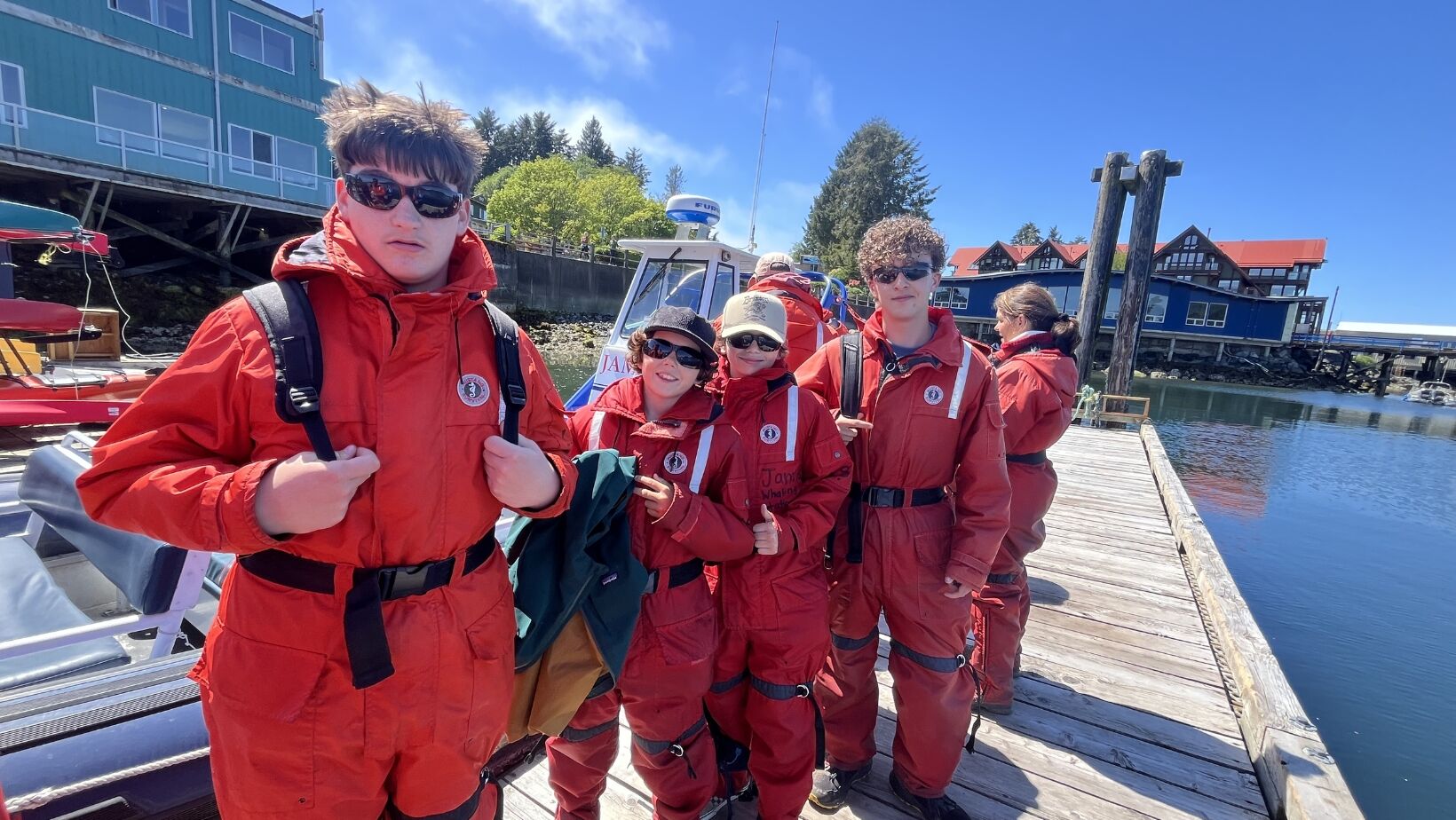 Photo Credit: Carla Davidson
At the same time in Tofino, local naturalist Derek encouraged participants to discover the biodiversity hiding in plain sight. Using simple field techniques and the iNaturalist app, the group explored a small section of greenspace near the Village Green Gazebo, identifying an impressive variety of species, from lawn daisies and deer fern to red clover and strawberry. This activity showed how even familiar places can become opportunities for scientific discovery when viewed through a biodiversity lens!
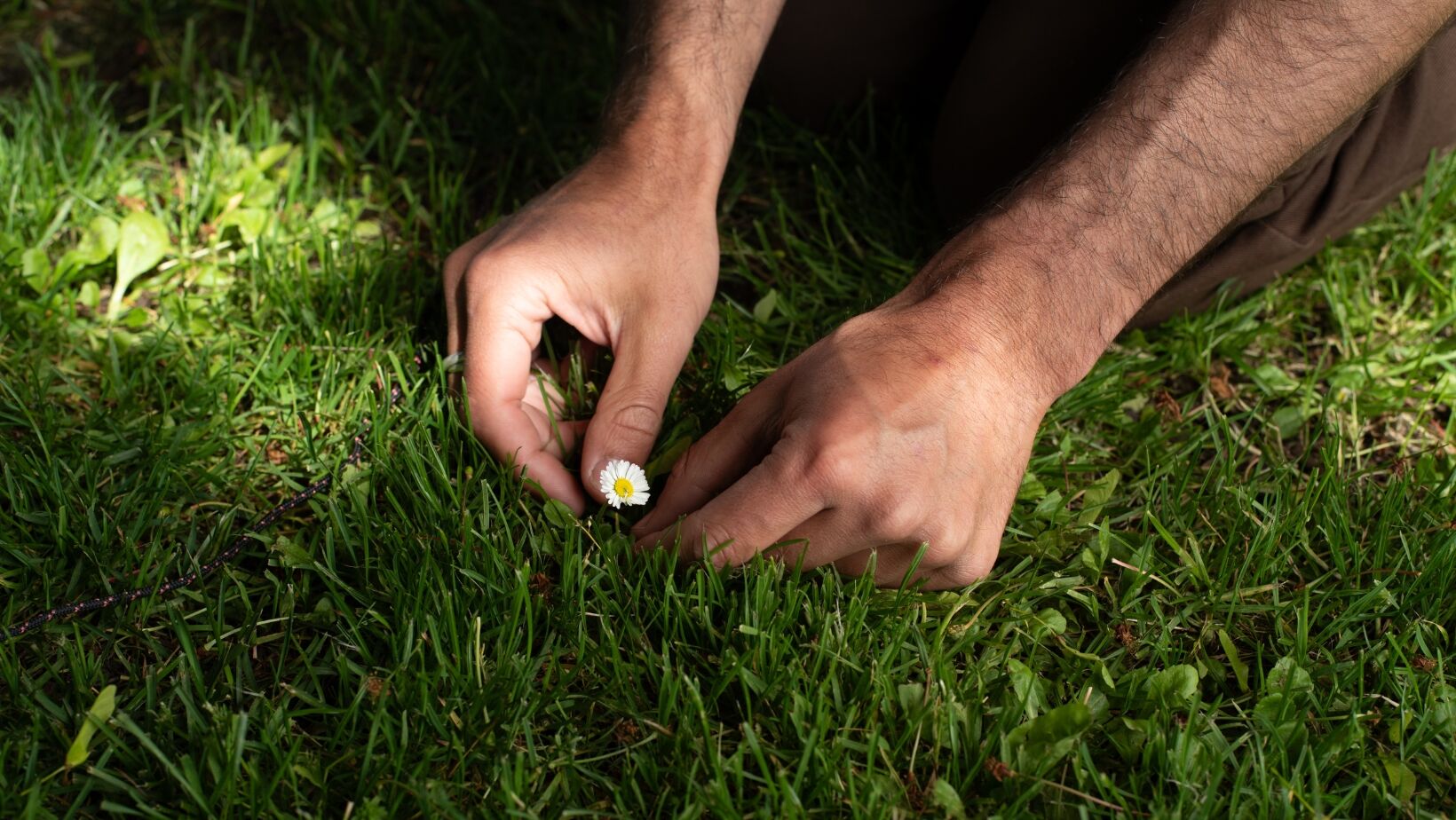 Photo credit: Nina Moodley
The second day concluded with a fascinating creative workshop led by artist Paula Nishikawara, who introduced participants to Gyotaku, the traditional Japanese art of fish printing.
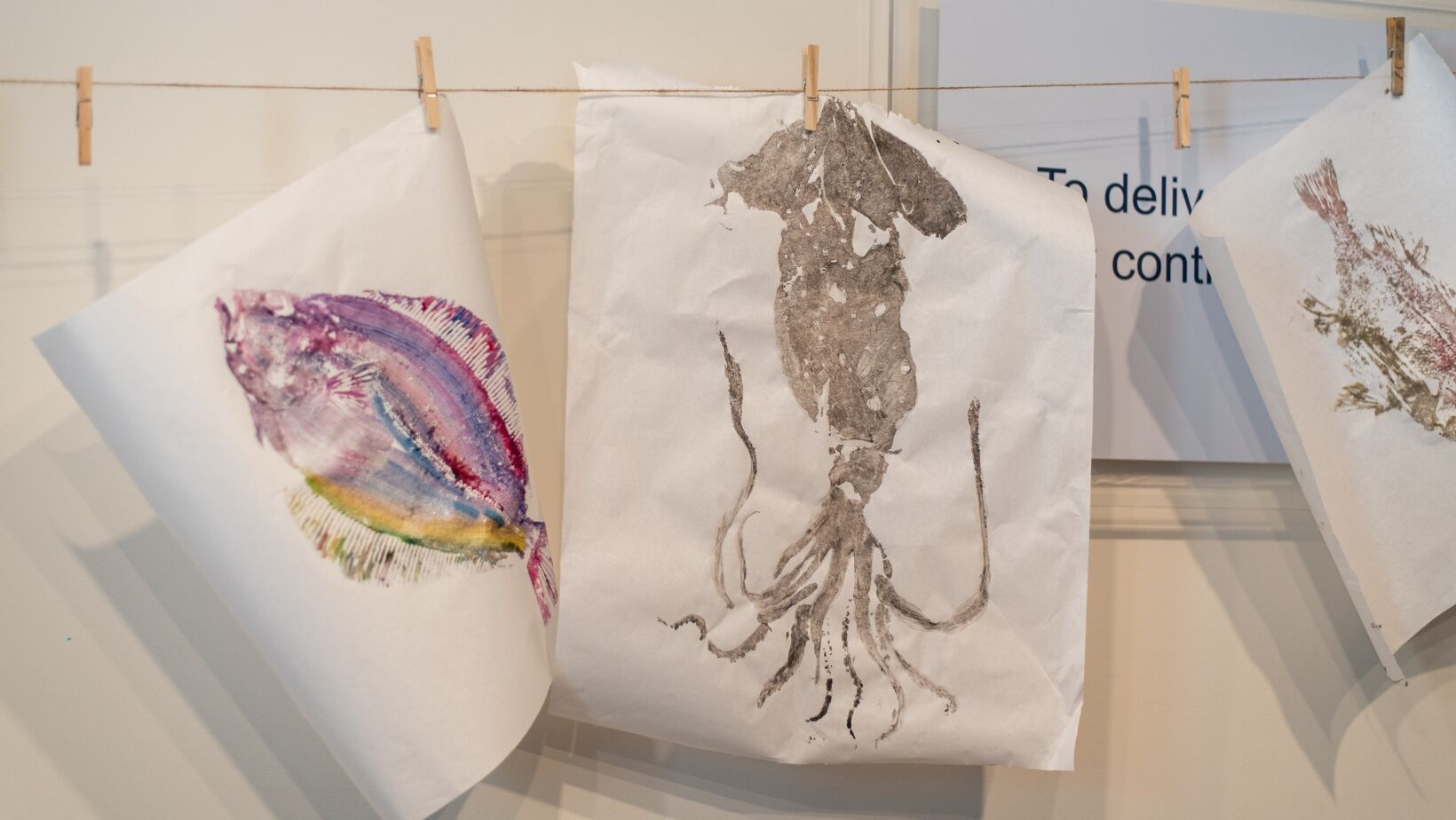 Photo credit: Nina Moodley
Originally used as a method for documenting catches, Gyotaku has evolved into a fine art form that involves painting ink onto the surface of a fish and pressing the print onto paper or fabric. So many stunning pieces came out of the workshop including some beautiful squid prints and a dog fish print!
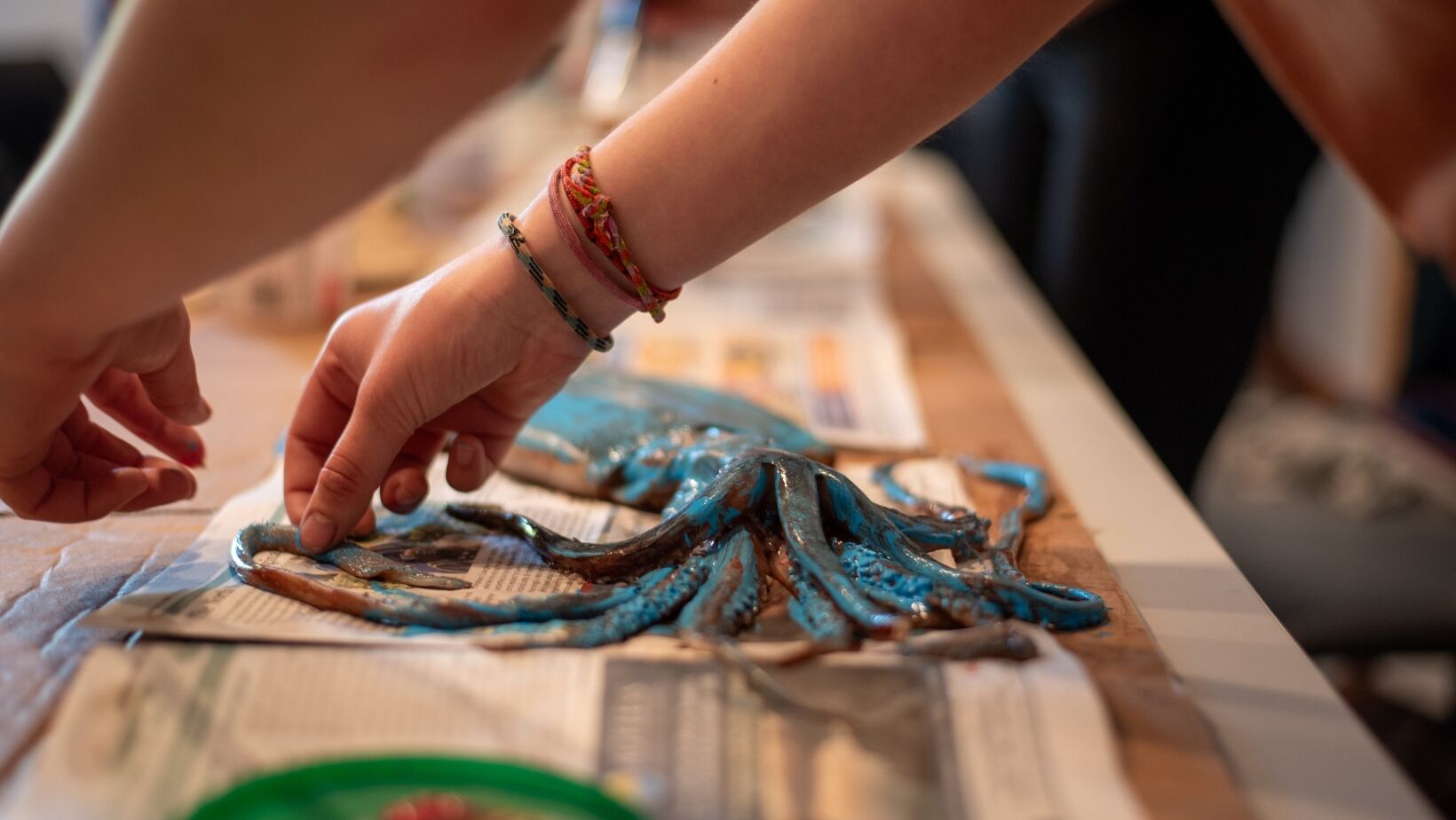 Photo credit: Nina Moodley
That same evening, youth participants also put their biodiversity knowledge to the test during a trivia event hosted by the Raincoast Education Society. Through visual challenges, sounds, and local ecological questions, our youth attendees showcased their impressive knowledge of local species and ecosystems!
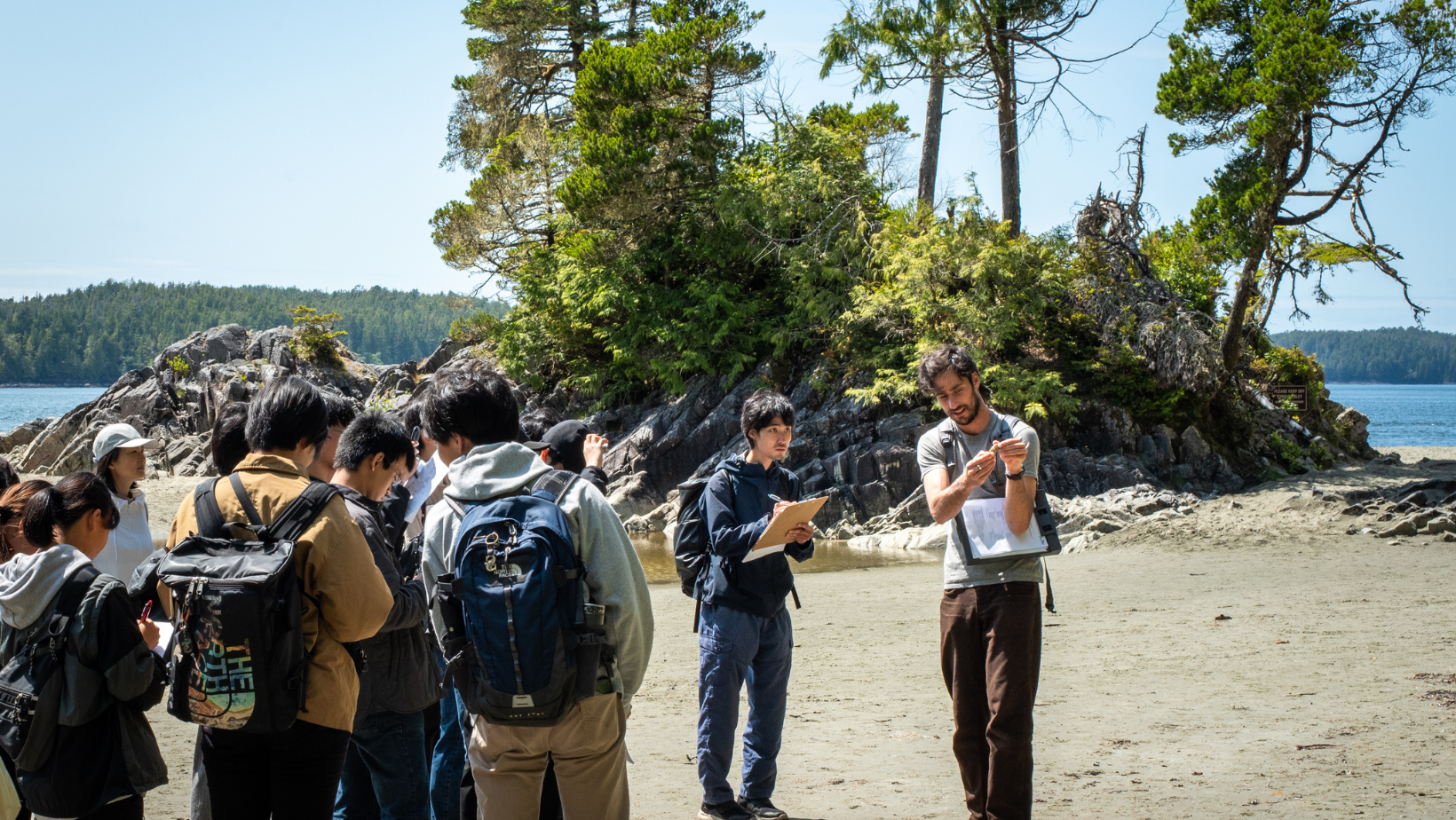
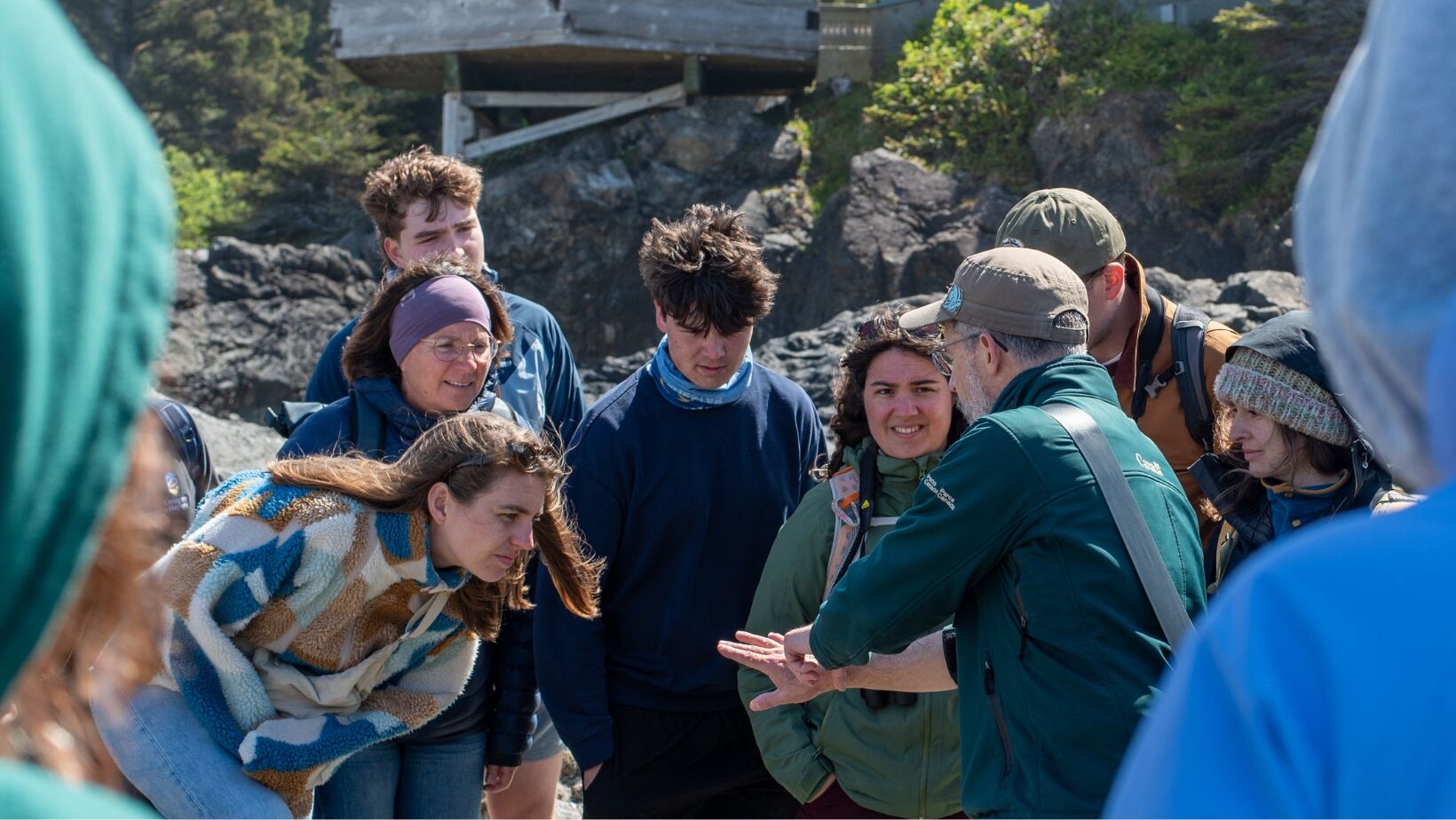
Day three brought opportunities to explore biodiversity from both ecological and cultural perspectives. At Wickaninnish Beach, participants joined by experienced Parks Canada interpreter, Carl Sieber for a shoreline exploration focused on the often-overlooked organisms that inhabit the intertidal zone. From barnacles and anemones to tiny crustaceans, the group discovered how even the smallest creatures play important roles within coastal food webs.
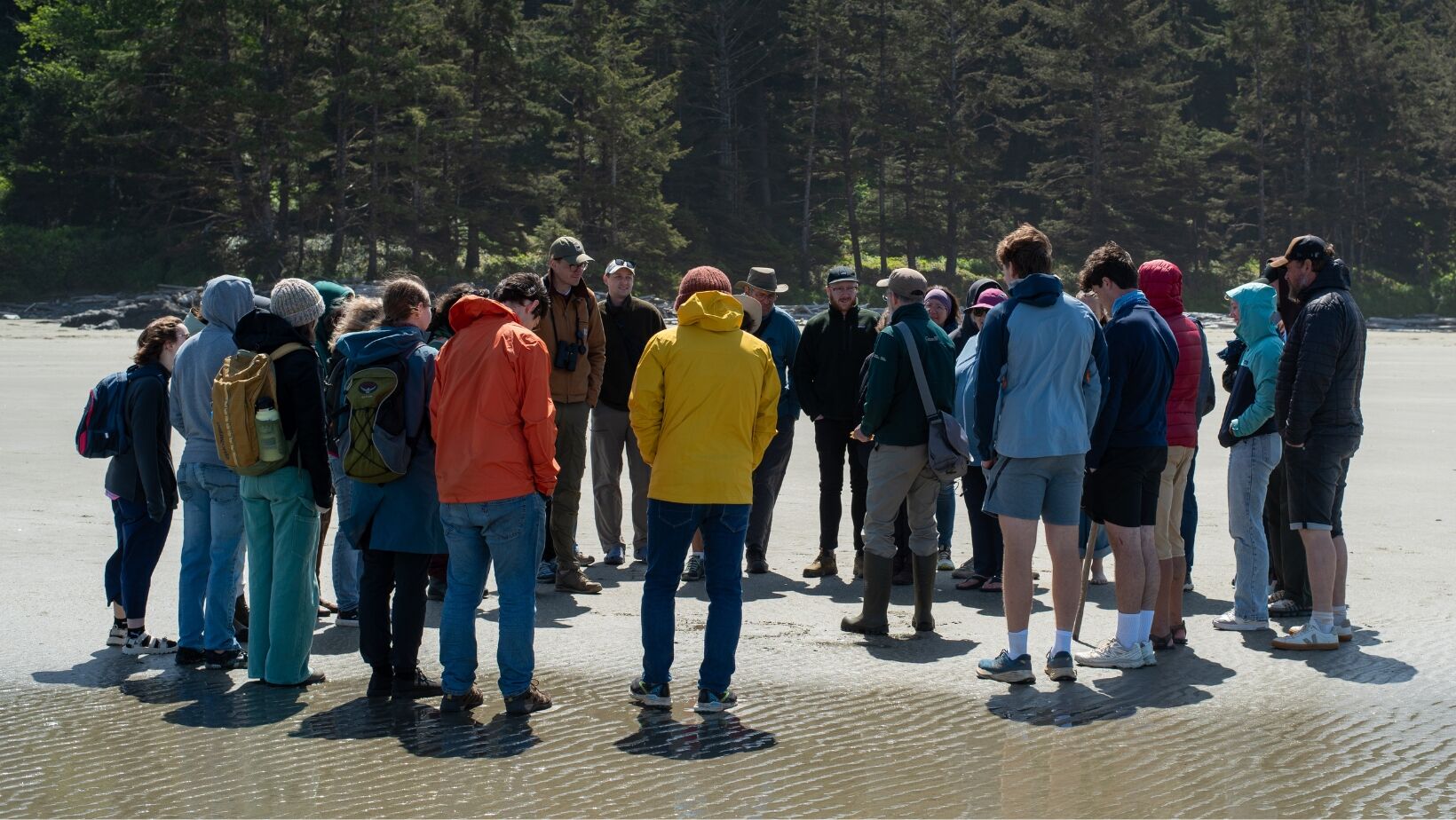 Photo credit: Nina Moodley
Carl tested the bravery of participants by asking them to dig a light layer of sand to see what they could find. The answer was dozens and dozens of bright red bloodworms, a key species that supports a wide variety of life on the beach. As everyone looked more closely, even more species started to appear, including razor clams revealed by small holes dotted across the sand. The guided walk offered a fantastic glimpse into the biodiversity of coastal ecosystems.
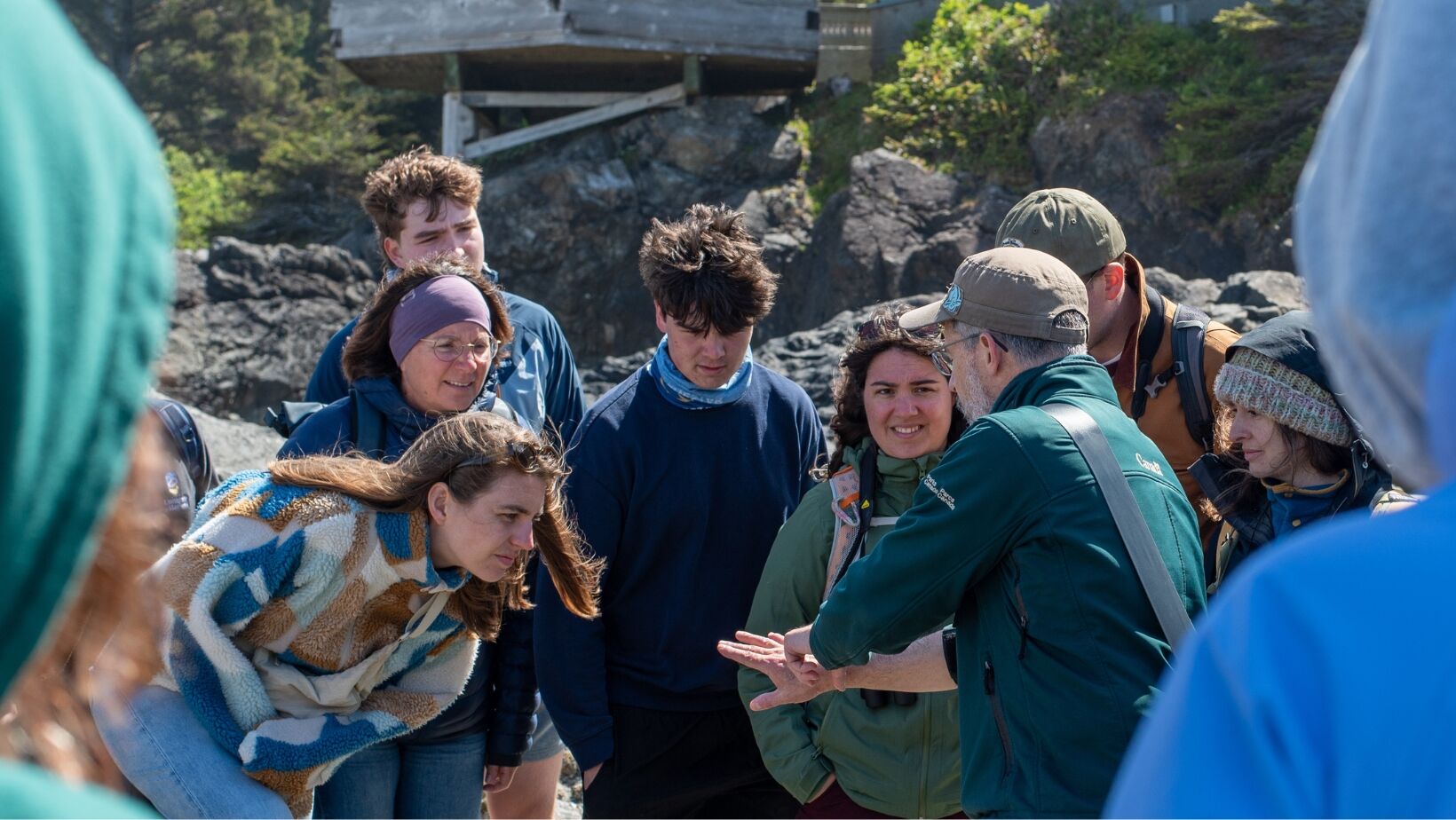 Photo credit: Nina Moodley
Later that day, participants gathered at the Naa’Waya’Sum Coastal Indigenous Gardens at the Clayoquot Campus for a meaningful experience centred around Indigenous knowledge, relationships, and perspectives on biodiversity stewardship.
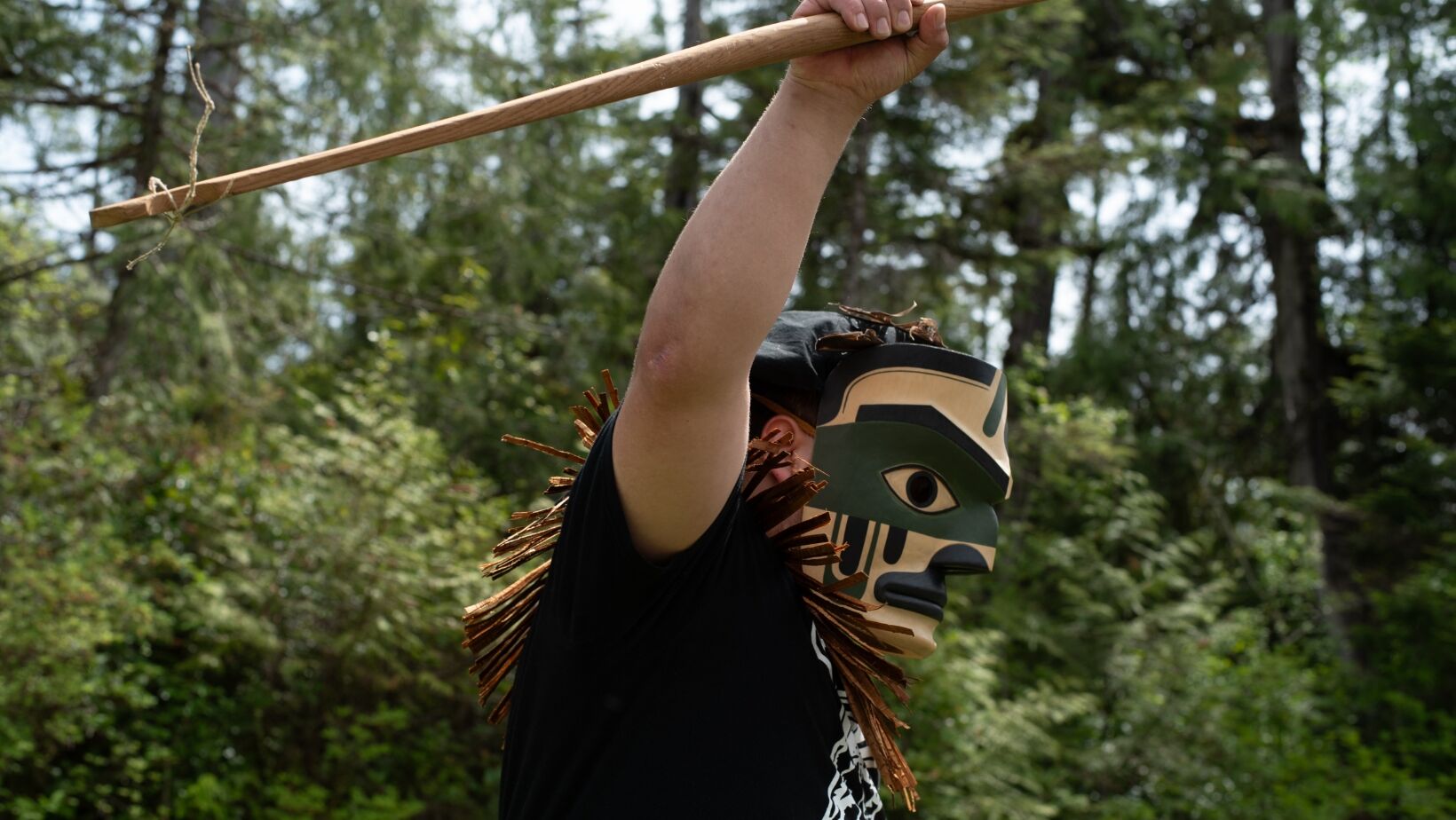 Photo credit: Nina Moodley
Led by Terry Dorward and members of the Naa’uu group, the gathering explored cultural teachings, land-based learning, and traditional ecological knowledge.
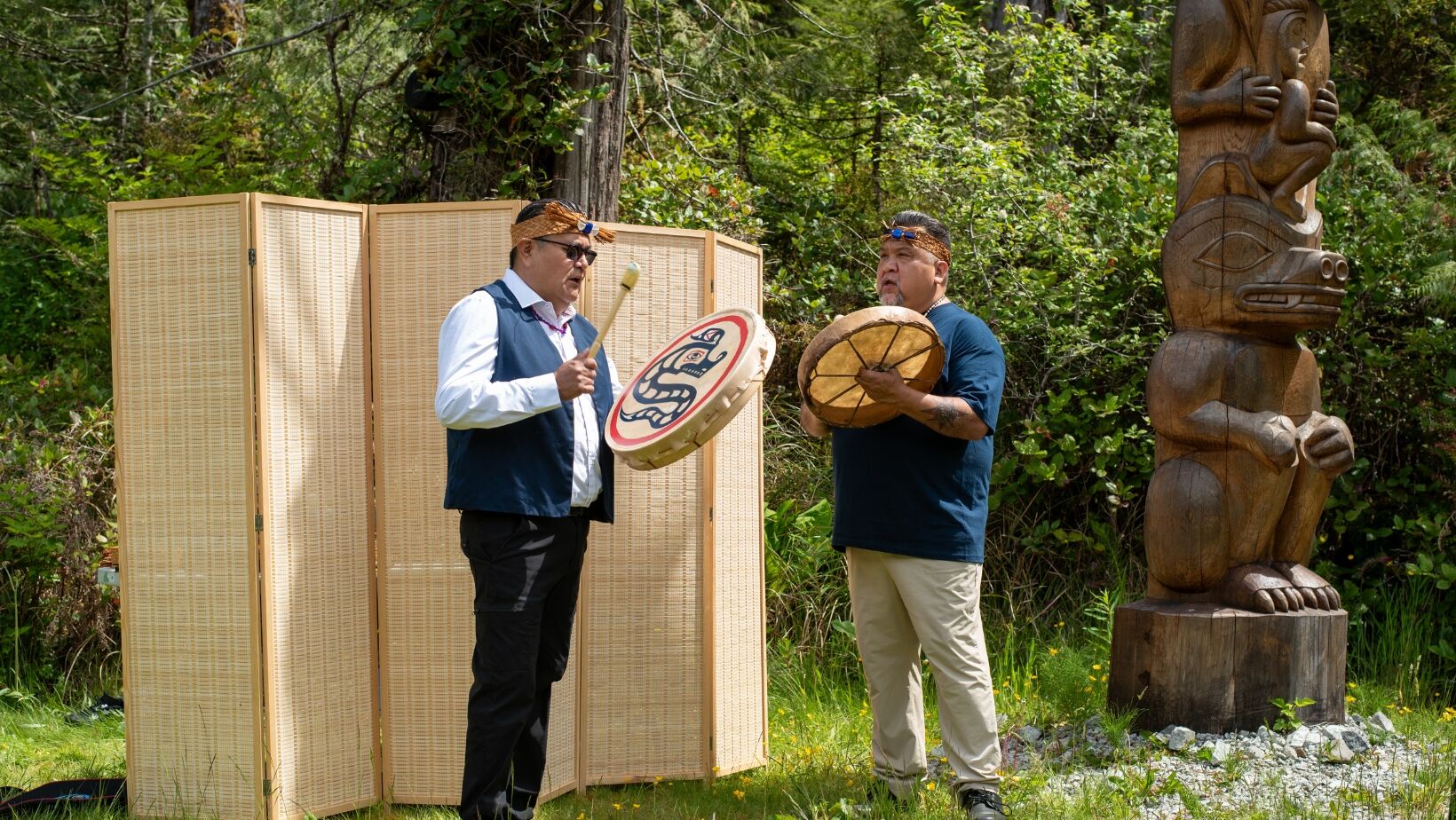 Photo credit: Nina Moodley
Participants were welcomed through song and storytelling before joining a guided walk through the gardens, where Terry shared generational stories on interconnectedness and responsibilities to the land.
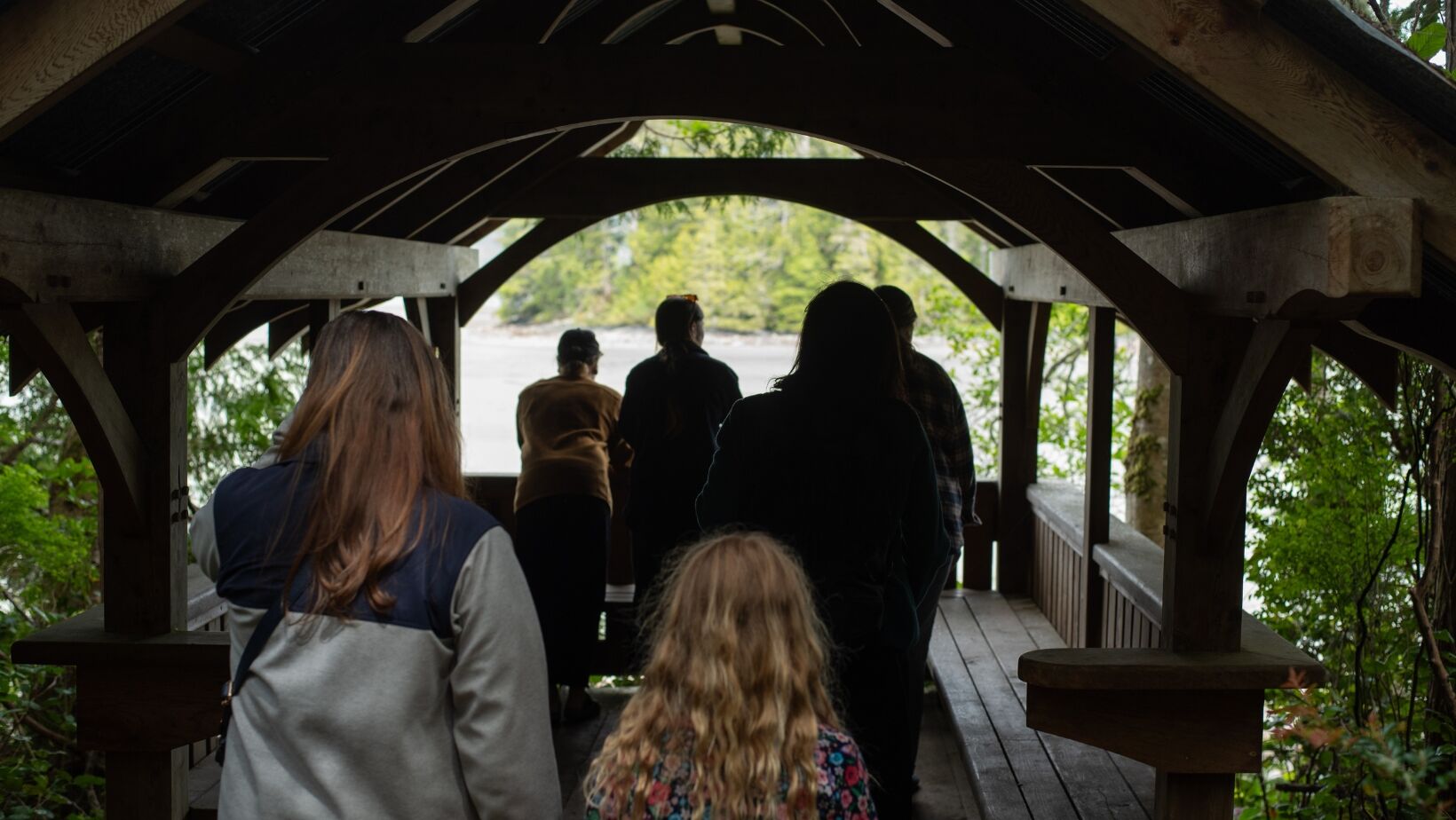 Photo credit: Nina Moodley
Local nations have stewarded the lands and waters in the region for millienia guided by the principle of Hiłhuuʔis meaning, ‘we are one’. The experience was a great opportunity for reflection and learning, highlighting the importance of different ways of caring for biodiversity and fostering healthy relationships with place.
The Saturday event lineup wrapped up with a second Gyotaku workshop hosted at the Ucluelet Aquarium. Surrounded by marine life and inspired by the coastal setting, participants created another collection of beautiful fish prints in the company of the subjects themselves!
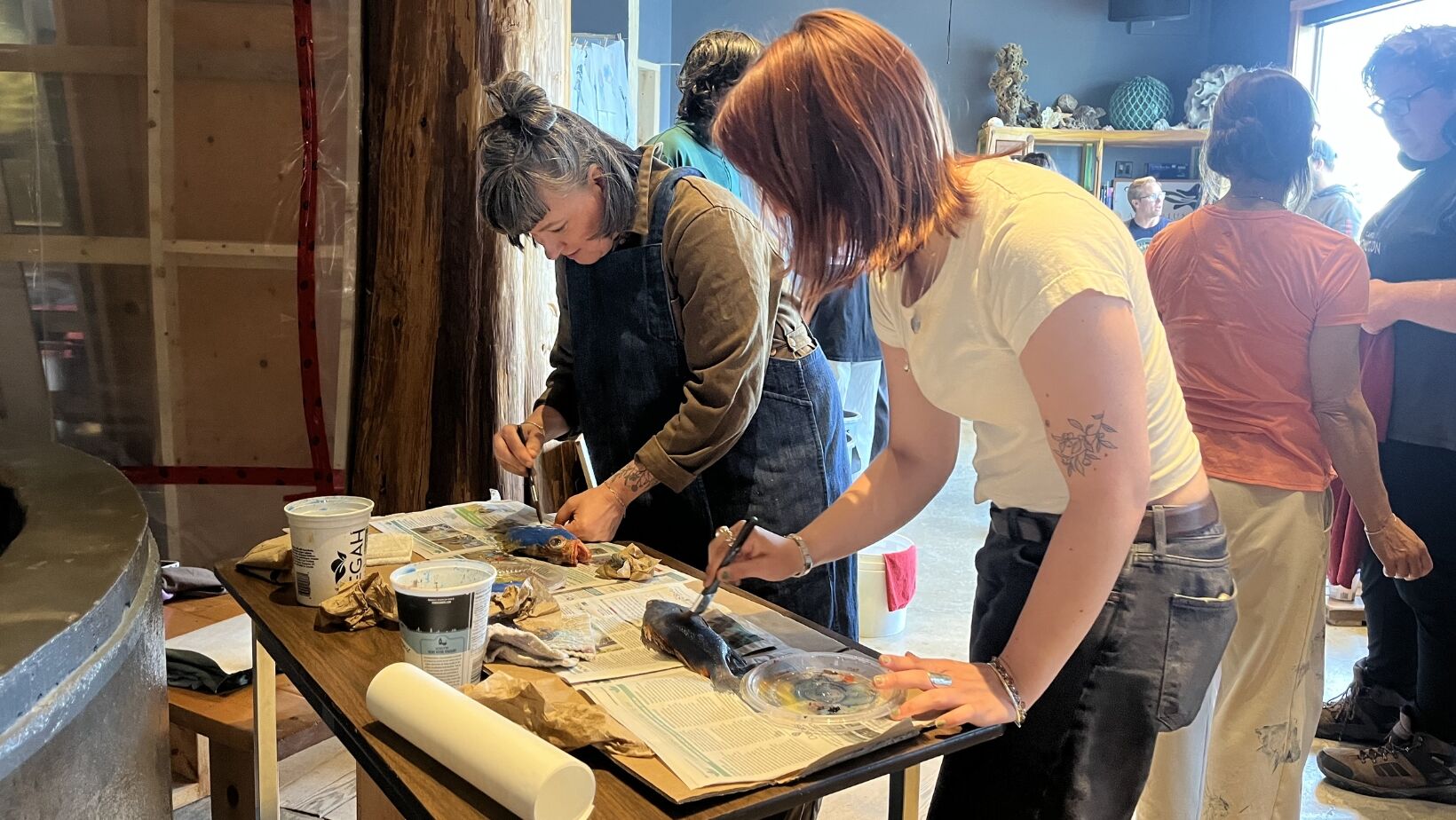 Photo Credit: Carla Davidson
The fourth and final day began along the Wild Pacific Trail Society’s Bog Loop, an interesting change of terrain. Guided once again by Tanya, the group learned about the unique conditions that create bog habitats, what makes the ground particularly soft and sponge-like as well as the specialized species adapted to live there.
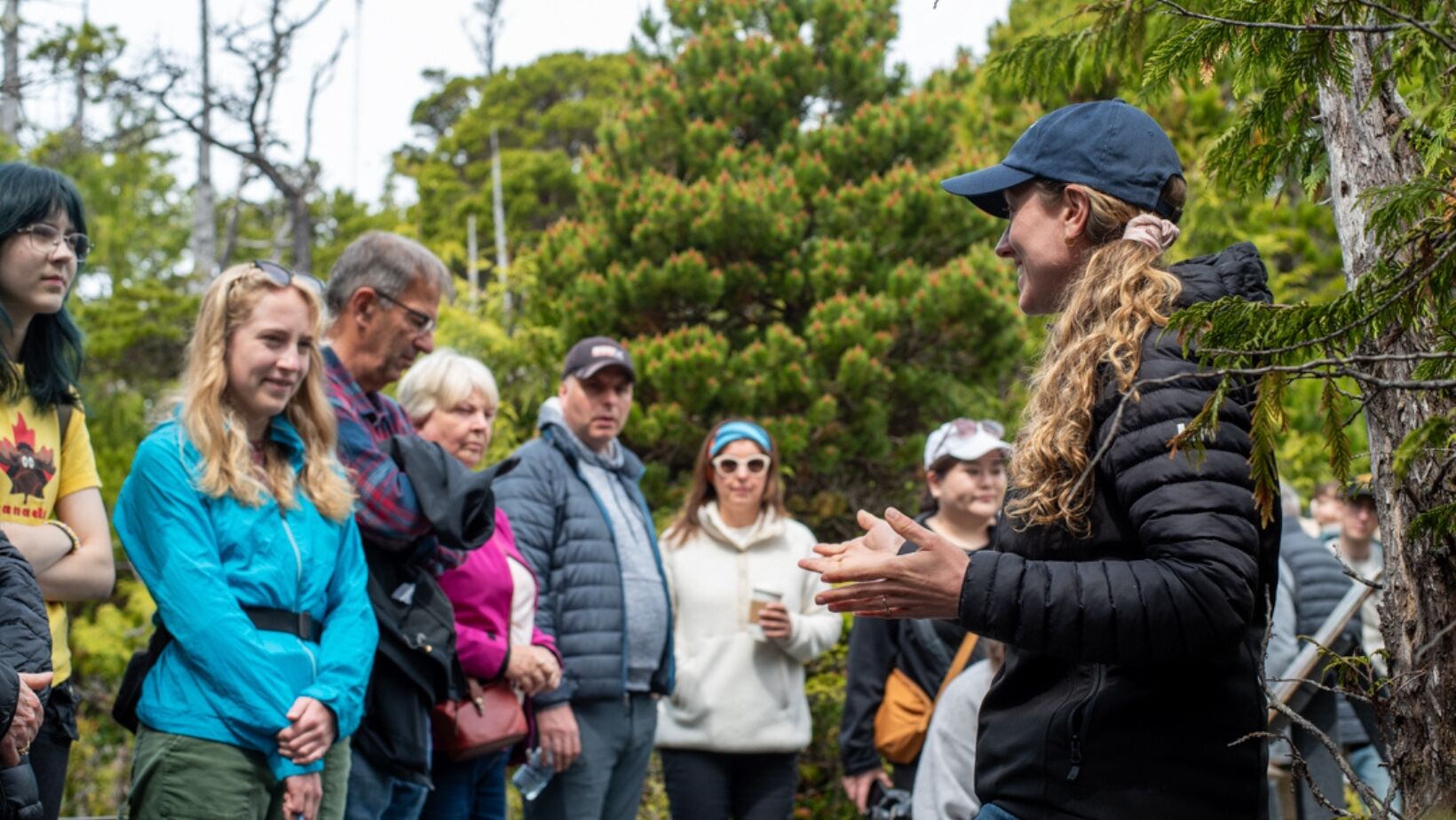 Photo credit: Nina Moodley
As they explored, participants encountered a wide variety of plant life, including carnivorous sundews, evergreen huckleberries, skunk cabbage, and several types of mosses. One highlight was clubmoss, which amazed the group with a special demonstration of its highly flammable spores, creating a small “explosion”. Along the trail, participants continued contributing observations to the BioBlitz, documenting the biodiversity around them.
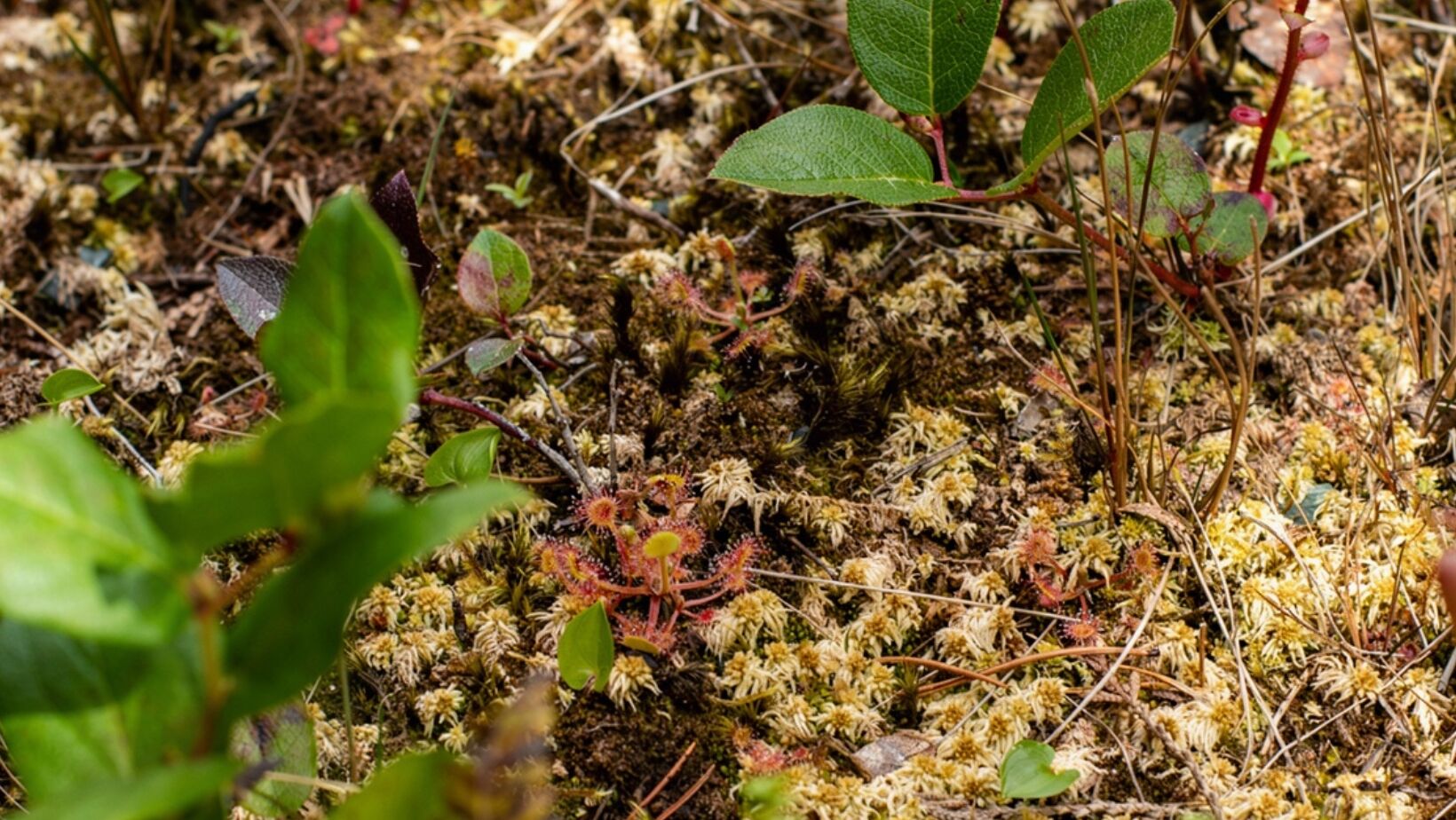 Photo credit: Nina Moodley
Later that afternoon, Nancy Woods invited participants to slow down and connect with nature through a guided eco-poetry workshop at Big Beach. Through mindfulness exercises and nature-inspired writing prompts, the group reflected on their relationship with the natural world and explored how creativity can deepen our sense of belonging and stewardship.
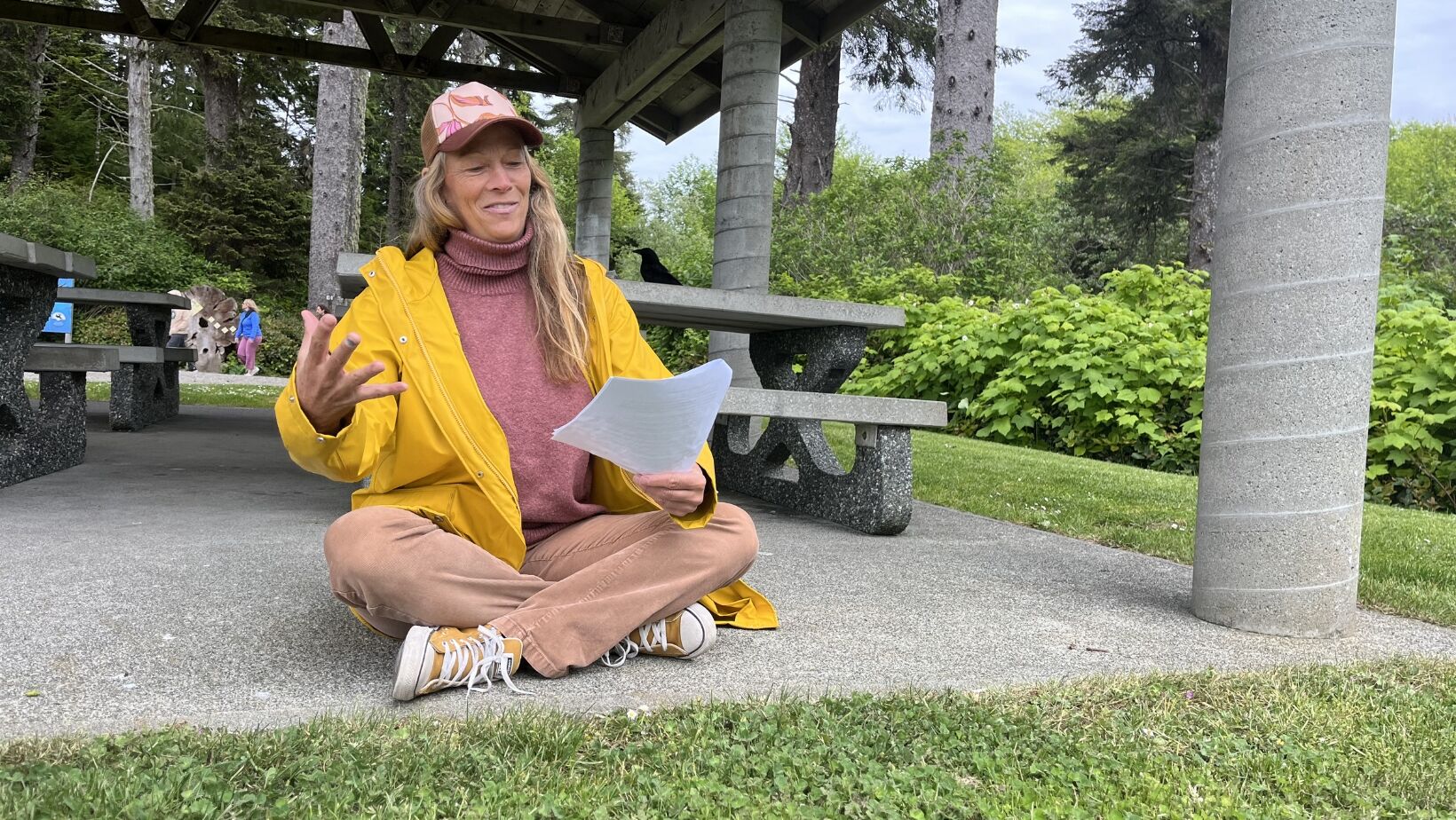 Photo Credit: Carla Davidson
For our last outdoor learning event, participants were invited to join Barb Beasley of the Association of Wetland Stewards for Clayoquot & Barkley Sounds for a hands-on restoration effort focused on removing Yellow Flag Iris, an invasive species that threatens fish and wildlife habitats.
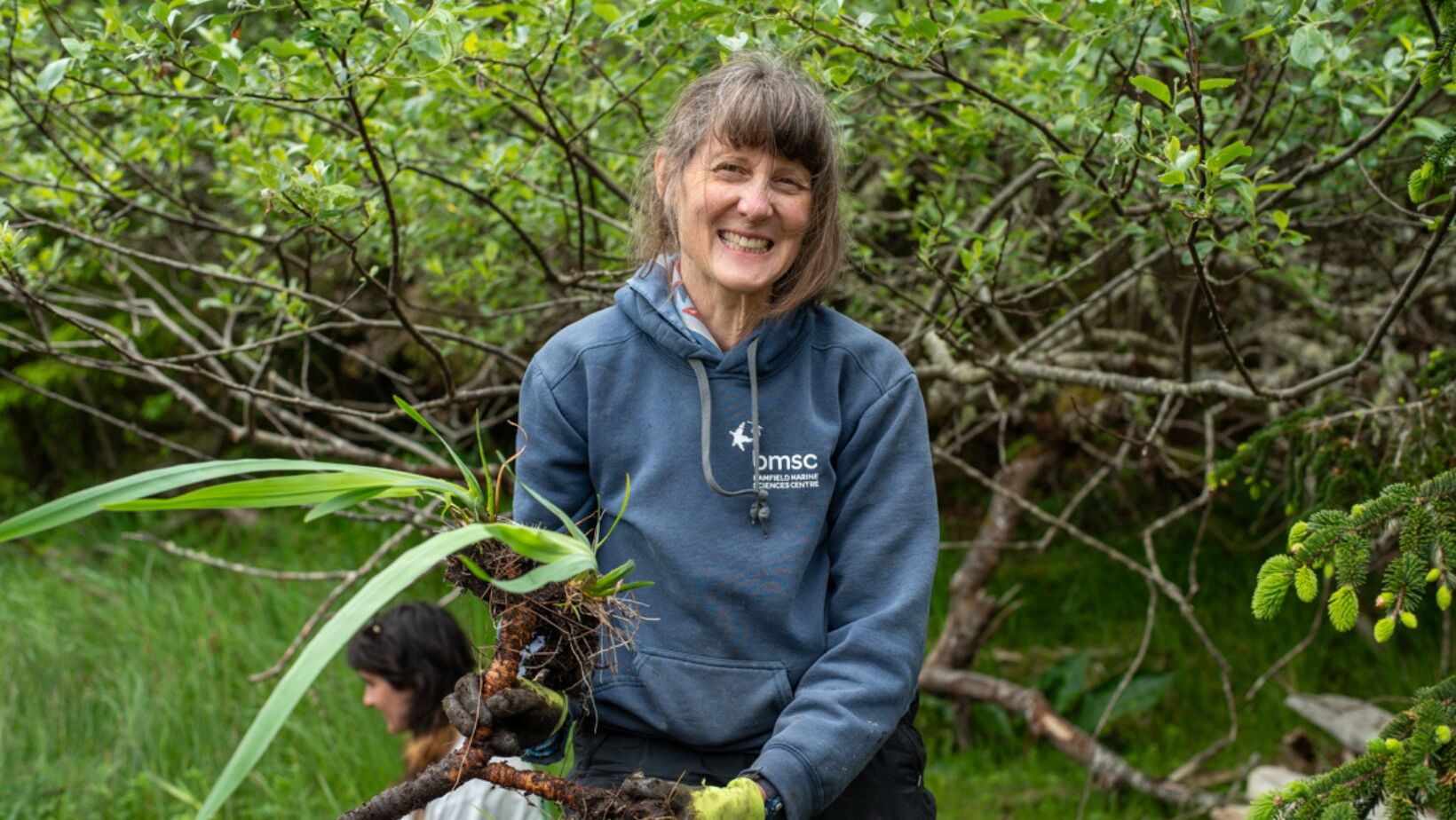 Photo credit: Nina Moodley
This ongoing restoration effort helps protect native species and improve habitat conditions for organisms that depend on it. This was a great way to end Biodiversity Discovery Days with real on-the-ground action. To learn more about how invasive species impact local biodiversity, check out their StoryMaps on Yellow-flag Iris.
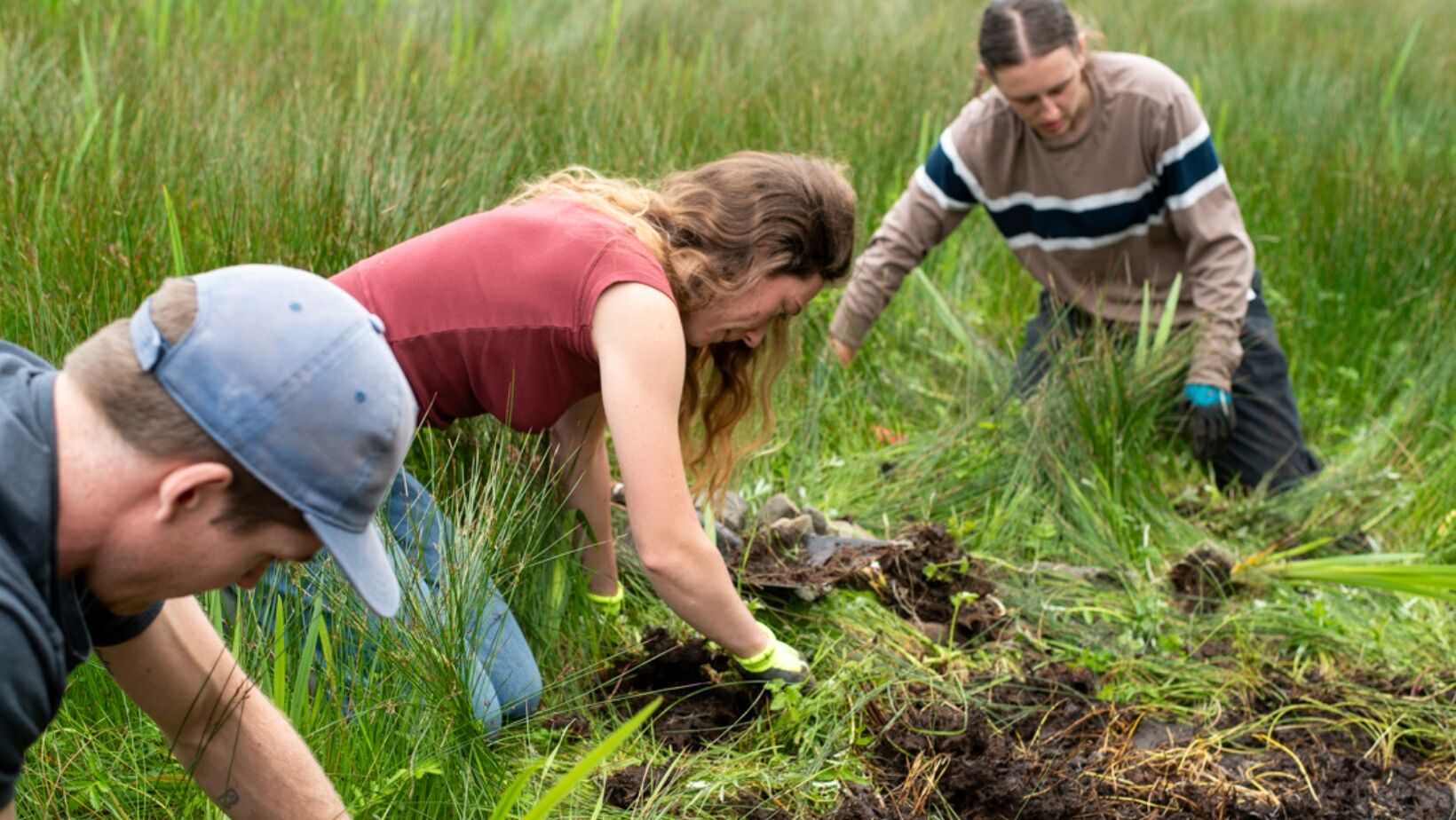 Photo credit: Nina Moodley
To close the 2026 Biodiversity Discovery Days, participants gathered for an evening of art, music, and celebration. We featured displays of Gyotaku artwork, highlights from the week’s activities, youth musical performances, eco-poetry readings, and announced our BioBlitz results. Together, these contributions showcased the many ways people engaged with biodiversity throughout the week through science, creativity, culture, and community action.
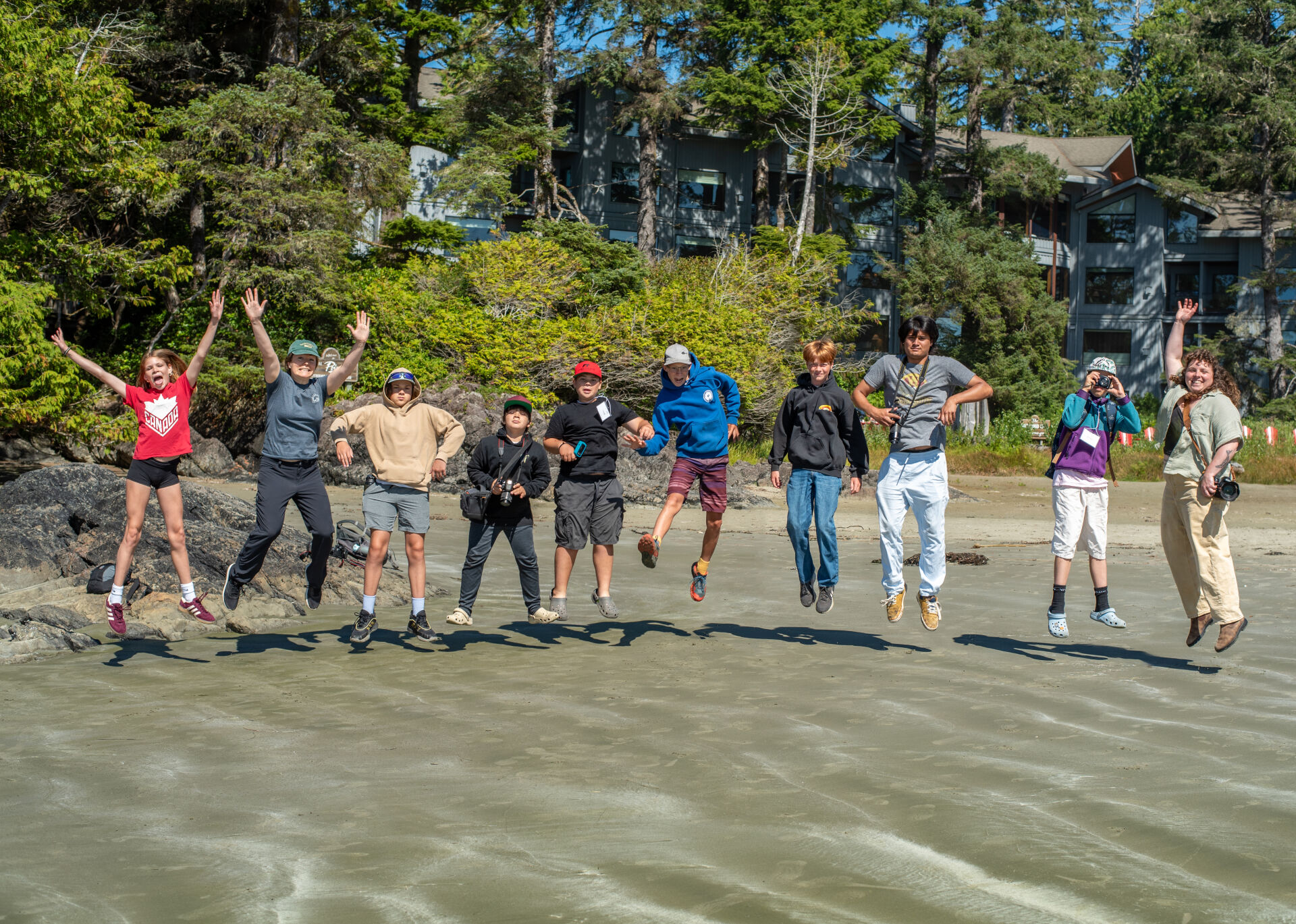
Biodiversity Discovery Days continues to demonstrate the power of bringing people together to learn about and celebrate the natural world. Whether documenting species, exploring local ecosystems, creating art, sharing knowledge, or restoring habitat, participants contributed to a growing culture of stewardship and connection on the west coast.
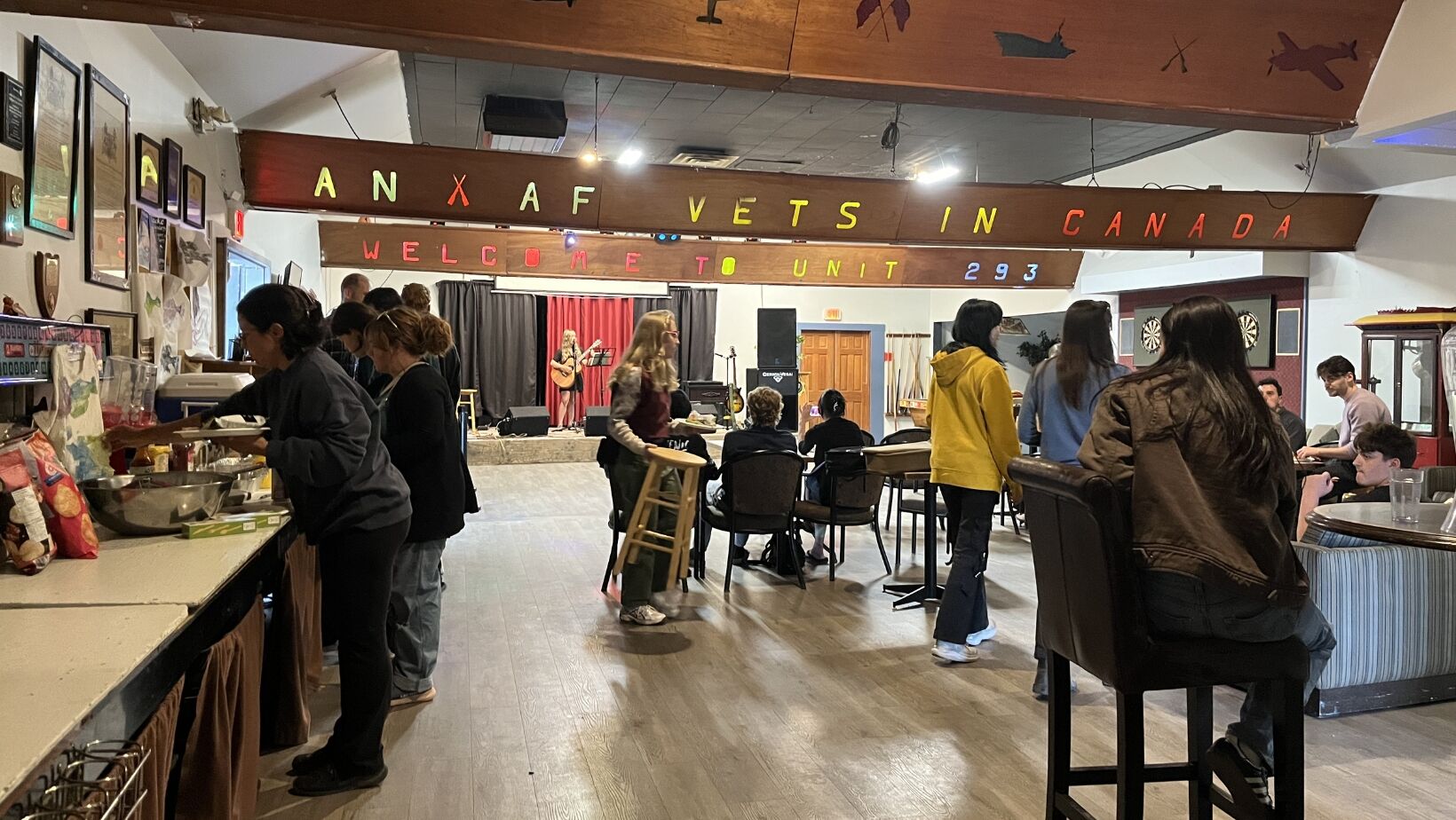 Photo Credit: Carla Davidson
A heartfelt thank you to all of the organizations, presenters, volunteers, and community partners who made this year’s Biodiversity Discovery Days possible, including the NSERC PromoScience Program, Tourism Ucluelet, Tourism Tofino, Ucluelet Aquarium, Wild Pacific Trail Society, Pacific Rim National Park Reserve, Redd Fish Restoration Society, Clayoquot Campus, IISAAK Olam Foundation, Paula Nishikawara, Derek Zandvliet, Nancy Woods, the Association of Wetland Stewards for Clayoquot & Barkley Sounds, Ahous Adventures, Raincoast Education Society, Jamie’s Whaling Station and Whales of Clayoquot and Barkley Sounds.
We look forward to gathering again in 2027 and continuing to explore, celebrate, and protect the incredible biodiversity of our region together. Stay tuned for more details!
Written by Nina Moodley
Published June 2026